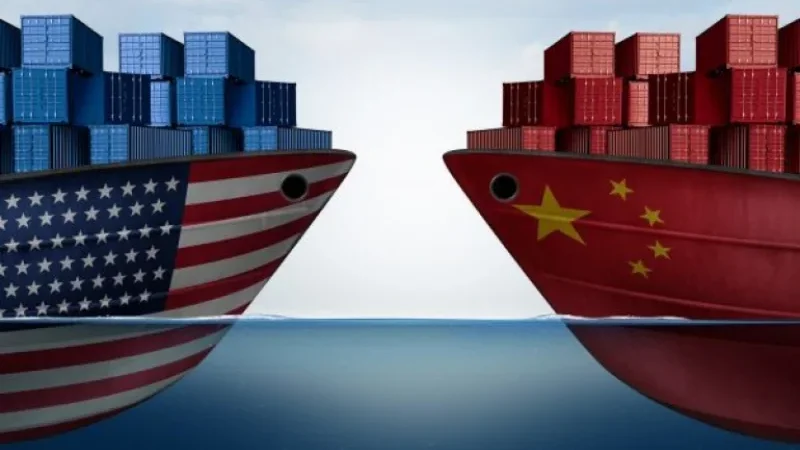
BEIJING: The United States and China have agreed to pursue lower tariffs on $60 billion worth of goods as they extend a trade truce and seek to ease tensions between the world’s two largest economies.
Under the U.S.-China Board of Trade, each country has recommended about $30 billion worth of non-sensitive products from the other for more favorable tariff treatment, according to U.S. Trade Representative Jamieson Greer. The agreement followed President Donald Trump’s meeting with Chinese President Xi Jinping in Washington last week.
The proposed tariff relief covers a range of products. China’s list includes U.S. agricultural goods such as corn, wheat, sorghum, meat, dairy products, vegetable oils and meals, as well as fish and seafood, wood products, cosmetics and medical devices.
However, soybeans the largest U.S. agricultural export to China were left off the list. U.S. soybean exports to China totaled $16.2 billion in 2025, according to the supplied trade data, and the omission drew disappointment from the American Soybean Association.
The U.S. list includes Chinese consumer products such as toys, small household appliances, tableware, blankets, bed linens, holiday decorations and children's car seats. Toys were the largest category on the list, with U.S. imports of those products valued at about $14.4 billion in 2024.
The two governments have not specified the exact tariff reductions or when they will take effect. The product lists are based on 2024 import data, and any changes remain subject to each country's domestic laws and procedures.
The tariff agreement comes alongside a two-month extension of the U.S.-China trade truce through Jan. 10. China’s Commerce Ministry said the extension would provide a more stable and predictable environment for businesses while allowing both sides to continue discussions on trade and economic issues.
The countries also agreed to establish an agricultural working group to discuss market access and regulations. The group is expected to hold its first meeting before the end of the year.
China is also set to import 10 million metric tons of U.S. coal annually in 2027 and 2028 under a separate agreement. Liquefied natural gas and oil were not included among the products targeted for tariff reductions.
Beyond trade, Washington and Beijing agreed to maintain dialogue on artificial intelligence, including a channel for communicating about AI-related incidents. A follow-up discussion is expected by the end of November.
China also said it would examine applications from foreign financial institutions, including those with U.S. capital, and continue discussions with Washington on expanding direct flights between the two countries.
The latest measures provide additional time for negotiations, but the lack of a detailed implementation schedule leaves important questions about the scope and timing of the tariff reductions unresolved.