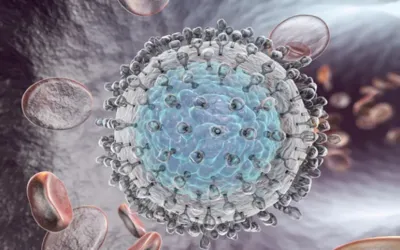
Scientists have achieved a major milestone in gene editing by using prime editing to correct DNA inside a living patient for the first time, opening a potential new path for treating inherited diseases without removing cells from the body.
Prime Medicine, a U.S.-based biotechnology company, has administered its experimental prime-editing treatment, PM577, to the first participant in a clinical trial targeting Wilson disease, according to a report published on Oct. 23, 2026.
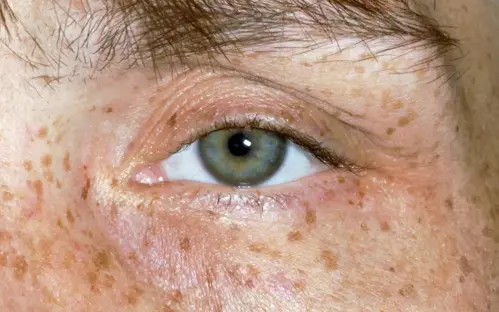
The treatment aims to correct a genetic mutation responsible for Wilson disease, an inherited condition linked to changes in the ATP7B gene.
The gene helps produce a protein that removes excess copper from the liver. When it does not function properly, copper can accumulate in the body and damage organs.
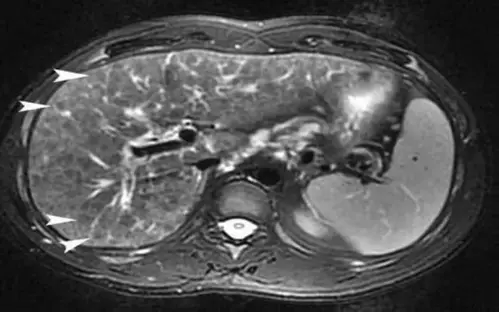
The experimental therapy uses lipid nanoparticles to deliver gene-editing tools directly into liver cells.
The approach is designed to repair faulty DNA inside the body, potentially reducing the need for more complex procedures that involve modifying cells in a laboratory before returning them to the patient.
Traditional cell-based gene therapies can require intensive chemotherapy to prepare the body to accept modified cells.
Prime editing offers a different approach by aiming to make precise genetic changes directly within the patient's tissues.
However, the technique also presents challenges. Researchers cannot fully inspect and verify every genetic change before edited cells continue to function and multiply inside the body. This makes accuracy and safety critical areas for further investigation.
Prime Medicine is expected to release initial clinical trial findings in 2027. The results could help researchers assess the treatment's safety and effectiveness and guide the development of other gene-editing therapies administered directly inside the body.
Although the milestone marks an important step for genetic medicine, further clinical evidence will be needed to determine whether the treatment can safely and effectively help people with Wilson disease.