KARACHI: Protecting human life from preventable risks is a shared responsibility of individuals, institutions and society, said Dr. Sabir Memon, Executive Director of the Shaheed Mohtarma Benazir Bhutto Institute of Trauma (SMBBIT), Karachi, during the second day of Trauma Awareness Week 2026.
Addressing the event, Memon said the awareness campaign had helped fulfil the institution’s social responsibility by educating the public about injury prevention and road safety.
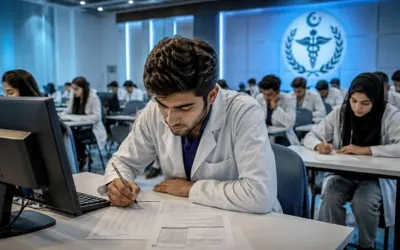
The second day featured an interactive inter-institutional discussion on the topic, “How Can We Prevent Injuries and Accidents in Our Society?”
Memon said reckless driving, speeding, failure to wear helmets and seat belts, and disregard for traffic laws could have devastating consequences for individuals and their families.
He stressed that accident prevention required collective efforts, adding that obeying traffic rules, maintaining safe speeds, avoiding mobile phone use while driving and respecting other road users could help reduce the risk of serious accidents.
He also called for stronger coordination among hospitals, rescue services, traffic police, public health experts and communities to improve trauma prevention efforts.
Memon said SMBBIT provides round-the-clock emergency medical services to people affected by accidents and serious injuries.
More than 550 patients are brought to the Karachi trauma centre daily, he said, adding that approximately 80% of patients recover. He also said the institution provides treatment free of charge.
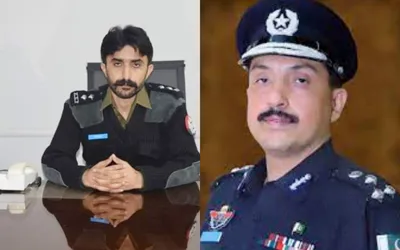
Deputy Inspector General of Traffic Police Pir Muhammad Shah, another speaker at the event, said adherence to traffic laws could prevent up to 70% of road accidents.
He said risking one's own life or that of others to save a few minutes was not a sensible choice. Driving at safe speeds, obeying traffic signals, using protective equipment and adopting responsible road behaviour were essential for building a safer society, he added.
Shah also said traffic-related injuries accounted for 70% of cases treated at the Karachi trauma centre, where recovery rates were encouraging.
Other participants in the panel discussion included Prof. Anees Bhatti, a member of the SMBBIT governing body; Dr. Abid Jalal, chief operating officer of Rescue 1122; Dr. Jamil, head of the emergency department at Dow Trauma Hospital; Dr. Mukhtiar Bhayo of the World Health Organization in Sindh; Dr. Nosheen, deputy executive director of Jinnah Postgraduate Medical Centre; and Deputy Superintendent of Police Ali Sawad.
The speakers emphasised that sustained public awareness, responsible driving and institutional cooperation were essential to reducing preventable injuries and saving lives.