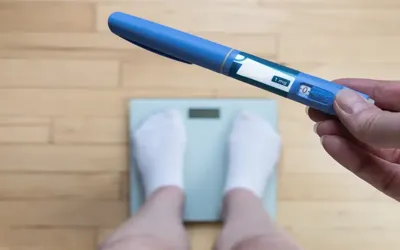
GLP-1 medications used to treat diabetes and promote weight loss may increase the risk of deficiencies in essential nutrients, potentially affecting patients’ overall health.
According to research reports, approximately 30 million people in the United States are using these medications to lose weight and manage diabetes.
The injectable drugs help reduce appetite, enabling many people to achieve significant weight loss. However, nutritional concerns are also emerging alongside their use.
A review of several studies by researchers from Harvard T.H. Chan School of Public Health and the University of Copenhagen found that people taking GLP-1 medications may be at risk of deficiencies in vitamin B12, protein and fiber.
According to the research, vitamin B12 is essential for maintaining a healthy nervous system. Protein plays a vital role in repairing muscles and body tissues, while fiber helps maintain a healthy digestive system.
Researchers warned that, as the use of these medications continues to grow, ensuring adequate nutrition alongside treatment is becoming increasingly important.
They said GLP-1 medications are being prescribed to millions of patients, making attention to nutritional needs during treatment an urgent priority.
Meanwhile, researchers at Ohio State University estimate that approximately 10 million people in the United States are not getting the recommended amount of vitamin B12.
Experts say people using weight-loss medications should ensure their diets contain adequate essential nutrients and consult a healthcare professional if they suspect a nutritional deficiency.