ISLAMABAD: Dr. Akbar Niazi Teaching Hospital (ANTH) is expanding free hepatitis C screening services across Islamabad, Azad Jammu and Kashmir (AJK), and nearby communities through a partnership with the Government of Pakistan, supporting the country’s national goal of eliminating hepatitis C.
The initiative is part of the Prime Minister’s National Program for the Elimination of Hepatitis C. It aims to help more people learn their health status, identify infections early and access treatment without unnecessary delays.
ANTH initially launched a large-scale screening campaign for staff and students at hospitals and colleges affiliated with GAK HealthCare International, as well as their families. The hospital has since extended the program to the wider public by organizing free screening camps at educational institutions and community centers.
The outreach campaign has included Iqra University in Islamabad, Ali Medical Institute in Muzaffarabad, AJK, Punjab College, The Smart School, and community centers in Bhara Kahu and surrounding areas.
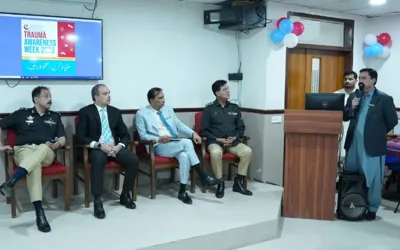
The screening camp at Iqra University was jointly inaugurated by Dr. Zia Ullah Khan Dawar, project director of the Prime Minister’s National Hepatitis Program; Yasir Khan Niazi, group CEO of GAK HealthCare HealthCare; and Prof. Eitazaz Ahmed, vice chancellor of Iqra University.
Maj. Gen. (Ret.) Prof. Dr. Muhammad Aslam, vice chancellor of City University Islamabad and Islamabad Medical and Dental College (IMDC), also attended the event, along with Dr. Areej Neyazi, director of hospitals at GAK.
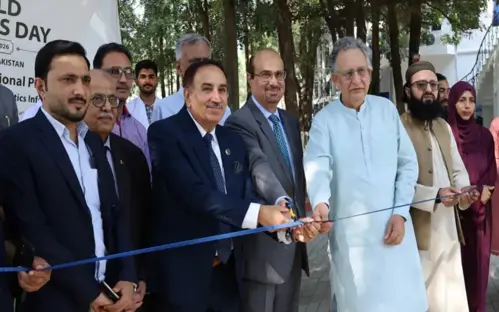
During the event, Dawar praised ANTH’s contribution to the national initiative, emphasizing the importance of cooperation between government institutions and health care providers in expanding screening services and advancing Pakistan’s hepatitis C elimination efforts.
Akbar Niazi said the initiative reflects ANTH’s commitment to making quality healthcare accessible beyond hospital facilities. He stressed that early screening and timely treatment are essential to preventing the disease from becoming more difficult to manage.
He also highlighted the role of public-private partnerships in reaching underserved communities and connecting people who test positive with appropriate medical care.
Students from IMDC’s Community Medicine and Medical Laboratory Technology departments have also taken part in the screening camps. Their participation provides practical experience in preventive medicine while supporting community-based health care services.
Beyond screening, ANTH is helping people who test positive access medicines and treatment, ensuring that the initiative offers a pathway to care rather than simply identifying possible infections.
Pakistan’s goal of eliminating hepatitis C depends on reaching people who may not know they are infected and ensuring they can receive appropriate treatment. By expanding free screening services, engaging local communities and supporting patients after diagnosis, ANTH is contributing to the national effort to reduce the burden of hepatitis C.
The initiative highlights how cooperation between public institutions, health care providers, educational institutions and local communities can help expand access to essential health services and bring Pakistan closer to its hepatitis C elimination target.