Wednesday, November 4, 2026
Watch Live
UPDATED
FUEL PRICE
04-NOV-2026
PETROL
▼ -5.45 PKR
Rs. 369.06/ltr
DIESEL
▼ -3.68 PKR
Rs. 391.52/ltr
Headlines
Pakistan successfully tests first indigenous Fa’az air-to-air missile, military says Winter smog may accelerate skin aging, experts warn of wrinkles and spots Federal Govt cuts petrol price by Rs5.45 per litre Elon Musk leads billionaire donors backing Republican candidates Pakistan leads global YouTube race with 560 million daily views Security forces kill 17 militants and foil blockade in twin Balochistan operations says ISPR US midterm polling faces technical and weather-related disruptions No relaxation on 2D barcode enforcement, warns Health Minister Mustafa Kamal Trump privately fears Democrats could take control of Congress, report says Jennie makes animated film debut with award-nominated Netflix track 33 countries issue emergency stockpiling guidelines for citizens Pakistan to hold Rs1500 prize bond draw in Hyderabad on Nov 16 Two policemen martyred in attack on anti-polio campaign in KP Jerry Fort's final wish to play GTA 6 ends in heartbreak Karoline Leavitt calls upcoming US midterms “most important” in American history Maryam Nawaz unveils 127 Attock projects, challenges Chaudhry Salik over corruption claims PM Shehbaz Sharif calls high-level meeting to review situation in KP US consortium proposes $4.4 billion LNG project in Pakistan Pakistan successfully tests first indigenous Fa’az air-to-air missile, military says Winter smog may accelerate skin aging, experts warn of wrinkles and spots Federal Govt cuts petrol price by Rs5.45 per litre Elon Musk leads billionaire donors backing Republican candidates Pakistan leads global YouTube race with 560 million daily views Security forces kill 17 militants and foil blockade in twin Balochistan operations says ISPR US midterm polling faces technical and weather-related disruptions No relaxation on 2D barcode enforcement, warns Health Minister Mustafa Kamal Trump privately fears Democrats could take control of Congress, report says Jennie makes animated film debut with award-nominated Netflix track 33 countries issue emergency stockpiling guidelines for citizens Pakistan to hold Rs1500 prize bond draw in Hyderabad on Nov 16 Two policemen martyred in attack on anti-polio campaign in KP Jerry Fort's final wish to play GTA 6 ends in heartbreak Karoline Leavitt calls upcoming US midterms “most important” in American history Maryam Nawaz unveils 127 Attock projects, challenges Chaudhry Salik over corruption claims PM Shehbaz Sharif calls high-level meeting to review situation in KP US consortium proposes $4.4 billion LNG project in Pakistan

Rule of law, not lobbying: Why external narratives cannot override Pakistan’s courts

Islamabad has been actively working to reduce regional tensions.

Recent international commentary calling for the release of Imran Khan reflects less concern for Pakistan’s stability and more an attempt to internationalize a domestic legal matter. Judicial outcomes are determined in courts, not in op-eds.

The argument advanced by Eric Lewis departs from legal reasoning and enters the realm of advocacy. It selectively questions due process while overlooking a fundamental fact: Khan is not arbitrarily detained, but a convicted individual facing multiple cases under Pakistan’s legal framework. To recast this as political victimhood is a misreading of both law and record.

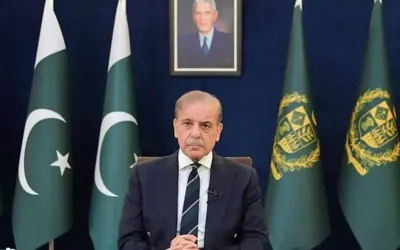
Equally flawed is the personality-driven claim that Pakistan’s stability hinges on one individual. States function through institutions, not individuals, and Pakistan’s recent diplomacy illustrates precisely that.

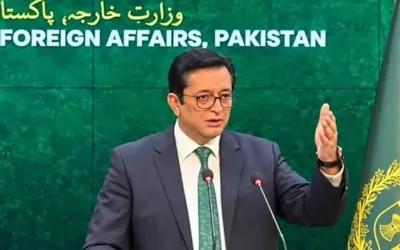
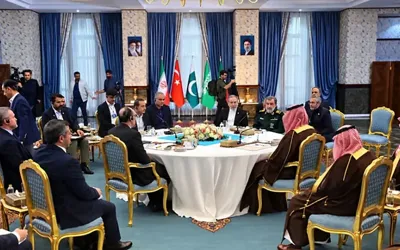
Islamabad has actively engaged in regional de-escalation, including participation in U.S.–Iran backchannel diplomacy and broader multilateral peace efforts, positioning itself as a facilitator in a volatile region. Its role in conveying proposals and hosting dialogue underscores continuity in statecraft, not dependence on personalities.

Historical context further weakens the narrative. Khan’s tenure saw episodes that strained key relationships, including tensions around the Kuala Lumpur summit and divergences within the Organisation of Islamic Cooperation. These were not markers of stable diplomacy, but of inconsistency that the state later had to recalibrate.

Finally, warnings that legal accountability could trigger instability are less analysis and more pressure tactics. Such framing attempts to elevate an individual’s legal fate into a question of national survival, an argument that neither reflects institutional reality nor serves democratic norms.

Sovereign legal systems cannot be overridden by external commentary. Courts, not columns, will decide, and must be allowed to do so.
Recommended