RAWALPINDI: Pakistan is “cautiously optimistic” about its efforts to mediate between Iran and the United States, the military’s spokesman said Friday, following a regional delegation’s latest visit to Tehran to ease the eight-month-old conflict.
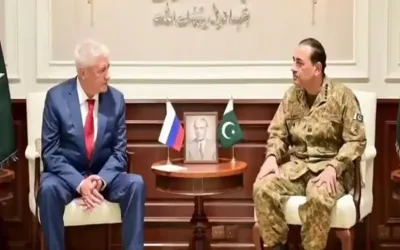
Army Chief Field Marshal Asim Munir, who is leading Islamabad’s mediation efforts, has visited Tehran twice this month. During his latest visit on Monday, he was accompanied by Saudi Defense Minister Prince Khalid bin Salman and Turkish intelligence chief Ibrahim Kalin.
“Why would the Field Marshal be going twice if it is not for some positivity? So yes, of course,” Inter-Services Public Relations (ISPR) Director General Lt. Gen. Ahmed Sharif Chaudhry said in his first interview since the delegation’s visit.
“The word that we would use is always cautiously optimistic,” he added.
Speaking in Rawalpindi, Chaudhry said powerful spoilers and detractors still believed the conflict served their interests but did not identify them. He declined to disclose details of the Tehran discussions or comment on whether Washington had supported the visit.
The latest diplomatic engagement has also brought renewed attention to the Mecca Joint Defense Agreement, signed by Pakistan, Saudi Arabia and Turkiye on Aug. 7. Under the pact, an attack on any signatory is to be treated as an attack on all.
Asked whether Iran could join the agreement, Chaudhry said its wording did not prevent additional countries from becoming members.
“Anyone who has a shared vision of collective deterrence and regional peace, why not? Everyone is most welcome,” he said.
However, he stressed that any expansion would require approval from the political leadership of the three signatories.
The agreement has gained significance amid rising regional tensions and concerns that the Iran conflict could trigger a wider confrontation.
Following Monday’s meeting, Mohsen Rezaei, secretary of Iran’s Supreme National Security Council, said regional security should be ensured by countries in the region without foreign intervention. He described the discussions as positive and expressed hope that they would lead to practical steps toward stronger regional cooperation.
Chaudhry also addressed questions about Pakistan’s military presence in Saudi Arabia, saying any additional troop deployment under the agreement would depend on the security situation and decisions by both countries’ political leadership.
He reaffirmed Pakistan’s commitment to defending Saudi Arabia and the holy sites of Mecca and Medina but ruled out Islamabad’s involvement in Yemen’s internal conflict.
“We are not part of the Yemeni conflict, which is an intra-Yemen conflict,” he said.
Pakistan has continued efforts to bring Washington and Tehran back to negotiations since the conflict began with US and Israeli strikes on Iran in February.
Islamabad brokered an April ceasefire that halted the initial phase of intense fighting, but efforts to secure a lasting settlement have since stalled. Pakistan has continued advocating dialogue, including through an Islamabad-brokered memorandum of understanding.
In October, the Foreign Office said direct communication between Washington and Tehran had indicated progress in the mediation process.
The latest diplomatic initiative gained momentum on Oct. 26, when Iran, Pakistan, Saudi Arabia and Turkiye agreed to continue discussions on regional peace and security.
Saudi Arabia subsequently urged the parties to engage constructively with the outcome of the Tehran meeting and pursue negotiations to prevent renewed military escalation.
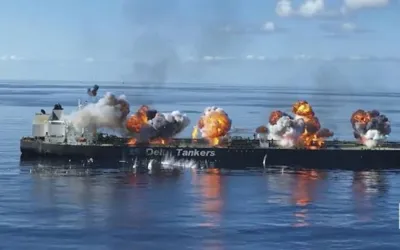
The diplomatic efforts come as tensions continue across the region, with attacks on commercial shipping and threats to energy infrastructure raising concerns about wider instability.
Pakistan's engagement with Iran, Saudi Arabia and Turkiye reflects Islamabad's efforts to strengthen regional cooperation and prevent the conflict from developing into a broader confrontation.