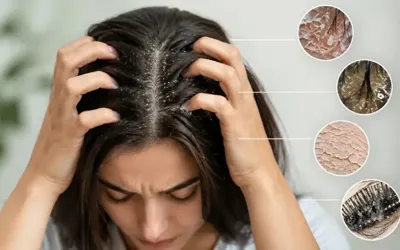
LONDON: Hair loss and weakening are often attributed to shampoos, hair oils or nutritional deficiencies, but experts say the water used at home may also affect hair health.
In areas where borewell or groundwater is commonly used, minerals present in the water can contribute to hair dryness, roughness and breakage.
How does hard water affect hair?
Hard water contains higher concentrations of minerals such as calcium and magnesium, which can leave deposits on the hair shaft, making it dry, rough and dull.
As a result, hair may become more tangled and difficult to manage, increasing the risk of breakage during brushing or combing.
Does hard water cause hair to fall from the roots?
Experts distinguish between hair breakage and hair loss from the roots.
Hard water may contribute to dryness and weaken the hair shaft, making strands more prone to breakage. However, there is currently no conclusive evidence that hard water directly damages hair follicles and causes hair to fall out from the roots.
Persistent hair loss can have several other causes, including hormonal changes, nutritional deficiencies, genetic factors and scalp conditions.
How can you protect your hair from hard water?
If your hair consistently feels dry and rough after washing, it may be worth checking the hardness of your household water rather than simply changing your shampoo.
Experts recommend the following measures:
- Use a shampoo and conditioner suited to your hair type.
- Consider using a clarifying or chelating shampoo specifically designed to remove mineral deposits.
- Avoid rubbing wet hair vigorously with a towel.
- Do not brush or comb wet hair forcefully, as it is more vulnerable to breakage.
Understanding the quality of household water, alongside proper hair care, can help reduce dryness and prevent avoidable hair damage.