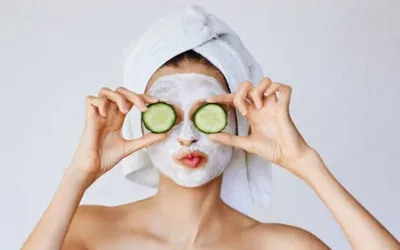
LED face masks are becoming a popular addition to at-home beauty routines, as people increasingly turn to light-based skincare treatments to address acne, redness, and visible signs of aging.
Used at home, these devices expose the skin to different wavelengths of light, offering a convenient way to incorporate skincare treatments into morning or evening routines without visiting a salon or clinic.
The trend is changing how people approach their daily beauty routines, with LED treatments becoming part of the process before applying serums, moisturizers, and facial makeup.
Red light is commonly associated with supporting collagen production and improving the appearance of fine lines, while near-infrared light is used to target deeper skin layers.
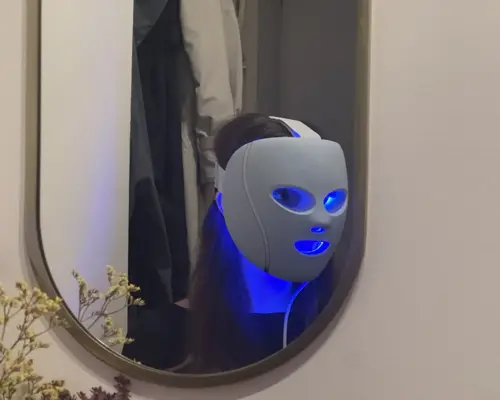
Blue light, meanwhile, is used in treatments targeting acne-causing bacteria and breakouts. Incorporating an LED face mask into a skincare routine generally begins with cleansing the face and ensuring the skin is completely dry.
The mask is then used according to its recommended treatment time and instructions. Once the session is complete, users can continue with their regular skincare products before applying makeup.
Consistent use may help improve skin texture, reduce visible redness and create a more even-looking complexion over time.
However, the results are not immediate, and LED treatments are not a replacement for established skincare practices.
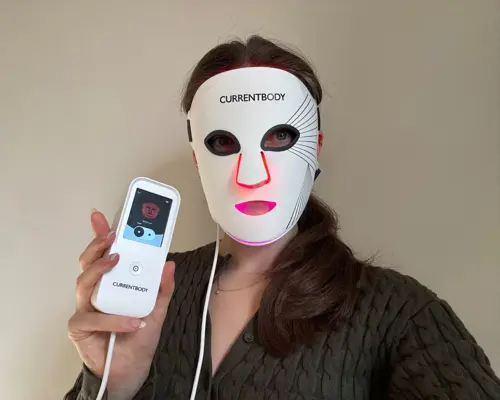
Visible improvements may take several weeks, depending on the treatment and individual skin concerns. Dermatology experts also advise caution with blue-light treatments, particularly for people with darker skin tones, because certain wavelengths may worsen hyperpigmentation.
As beauty routines increasingly incorporate technology, LED face masks are gaining attention as another option for people seeking convenient at-home skincare treatments.
Their effectiveness depends on consistent use, appropriate device settings and a skincare routine that includes regular sun protection.