Dr Iffat Khanum, Consultant, Infectious Diseases
Some infectious diseases get a lot of attention, while others are less known but just as dangerous. Hantavirus is one of those quieter threats. It's a rare but serious illness that people can catch from rodents, and it can be deadly. In fact, it kills more people than many better-known viruses, yet most people have never heard of it.
In this interview, Dr. Iffat Khanum, an infectious disease specialist, helps us understand this disease clearly. Hantavirus often starts with symptoms that look like a normal flu, but it can quickly turn into a severe condition called Hantavirus Pulmonary Syndrome (HPS), where the lungs stop working properly. Dr. Khanum explains how people can catch it, clears up common misunderstandings, and shares practical steps to stay safe. This advice matters whether you live in the countryside or in a city.
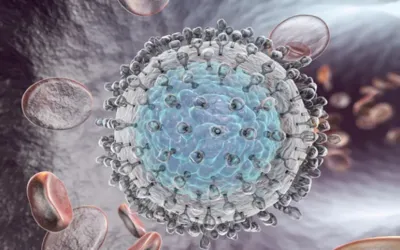
What is Hantavirus?Hantaviruses are zoonotic, negative-sense RNA viruses belonging to the genus Orthohantavirus in the family Hantaviridae. They are maintained in specific small mammal reservoirs, predominantly rodents such as mice and rats, and can occasionally be transmitted to humans.
Several Hantavirus species exist worldwide, each with distinct geographic distributions and associated clinical syndromes.
How does it spread?
Hantaviruses are primarily transmitted to humans through exposure to the urine, droppings, saliva, or contaminated dust of infected rodents.
People are at increased risk during activities that involve contact with rodents or their environments, including cleaning enclosed or poorly ventilated spaces, farming, forestry work, and living or sleeping in rodent-infested areas.
Rodent bites may also transmit infection, although this is uncommon. Human-to-human transmission is extremely rare and is generally associated with close and prolonged contact with an infected person.
What are the symptoms?
Hantavirus infection can range from asymptomatic illness to severe, life-threatening disease involving multiple organ systems. Clinical manifestations vary depending on the infecting strain but commonly affect the respiratory, renal, gastrointestinal, vascular, and neurological systems.
Symptoms may include:
Sudden onset of fever, chills, headache, dizziness, blurred vision, severe muscle pain, and marked fatigue.
Cough, progressively worsening shortness of breath, chest tightness, and, in severe cases, rapid progression to respiratory distress, hypoxia, and respiratory failure.
Kidney involvement, which may present as flank or back pain. Severe cases can lead to reduced urine output and acute kidney injury.
Nausea, vomiting, diarrhea, and abdominal pain.
Low blood pressure, facial flushing, red eyes (conjunctival injection), and, in some cases, a rash. Severe illness may be complicated by internal bleeding.
Is there a cure?
There is currently no widely approved specific antiviral treatment or vaccine for Hantavirus infection.
Prevention therefore relies primarily on avoiding exposure to rodents and implementing effective rodent-control measures. Patients should receive supportive care, including rest, hydration, and treatment of symptoms. Early medical attention is essential, particularly in severe cases.
What is the current global situation?
Localized outbreaks of Hantavirus infection have been reported in various regions, including the Americas, Europe, and East Asia. Case-fatality rates vary depending on the viral strain and the clinical syndrome involved.
Over recent decades, the overall incidence has gradually declined, largely because of improved public health measures, environmental hygiene, and effective rodent-control strategies.
In 2026, a notable outbreak was reported aboard the expedition cruise ship Hondius, where cases of severe acute respiratory illness were identified among passengers. The cluster includes 13 reported cases (11 confirmed, two probable) and three deaths.
The cluster highlighted the continuing risk of severe disease in confined settings with potential rodent exposure.
Is Hantavirus a threat to Pakistan?
Hantavirus is not currently recognized as a significant public health threat in Pakistan.
Eight passengers tested positive for hantavirus: WHO
However, continued surveillance, public awareness, and effective rodent-control measures remain important to prevent potential cases and outbreaks.