Many people have tried the keto diet at least once, drawn by its promise of rapid weight loss without constant hunger.
The diet works by drastically cutting carbohydrates, pushing the body into a metabolic state known as ketosis, where stored fat is burned for energy.
However, new research has raised serious concerns about the long-term health effects of this high-fat, low-carb eating pattern.
Scientists warn that prolonged adherence to a keto-style diet could significantly increase the risk of developing liver cancer within the next two decades.
According to the study, while the keto diet may help reduce weight, the fatty acids consumed in large amounts can fundamentally alter liver cells.
US researchers found that repeated exposure to a high-fat diet forces liver cells into a more primitive state, changing how they function.
Although this transformation initially helps the liver cope with the stress of excess fat, it also leaves the cells more vulnerable to disease.
Professor Alex Shalek, director of the Institute for Medical Engineering and Sciences and a co-author of the study, explained that liver cells adapt to survive ongoing stress, but this survival strategy comes at a cost.
“When cells are repeatedly exposed to a stressor like a high-fat diet, they adapt in ways that help them survive, but this also increases their susceptibility to becoming cancerous,” he said.
The researchers believe that identifying these cellular changes early could allow doctors to reduce tumour risk in people who are more vulnerable.
High-fat diets have long been associated with steatotic liver disease, a condition in which fat accumulates in the liver, leading to inflammation, liver failure and eventually cancer.
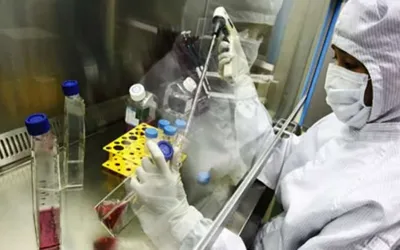
The study, published in the journal Cell, involved feeding mice a high-fat diet and closely examining their liver responses.
Early results showed that liver cells activated survival genes to prevent cell death and promote growth. At the same time, genes responsible for normal liver function were suppressed.
“This appears to be a trade-off,” said study co-author Constantine Tzouanas, a Harvard-MIT graduate. “The cells focus on staying alive in a stressful environment, but at the expense of what the liver tissue as a whole should be doing.”
By the end of the study, nearly all mice on a high-fat diet had developed liver cancer. Researchers concluded that once liver cells adapt in this way, they are far more likely to turn cancerous if further genetic damage occurs later in life.