ISLAMABAD: Talks between the Pakistani government and the International Monetary Fund over the proposed Auto Policy 2026–2031 remain inconclusive, according to reports citing official sources. The lender has objected to several provisions of the draft, leaving the country's car industry without a framework for taxes and duties.
The Ministry of Industries and Production had submitted the final draft to the IMF. The government plans to brief the Economic Coordination Committee and the federal cabinet on the Fund's concerns before revising the policy.
The draft is expected to be revised in discussions with local automakers and vehicle importers and sent back to the IMF within three days. It is expected to be finalized on Oct. 7, 2026.
What the draft proposes
A key aim of the policy is to bring down vehicle prices. It proposes cutting customs duties on conventional vehicles by up to 80 percent over five years, with taxes also reduced gradually from 2026 under the National Tariff Policy.
The draft puts a strong emphasis on electrified vehicles. It would treat battery electric vehicles, plug-in hybrids and range-extended electric vehicles alike, with a 1% sales tax and an exemption from federal excise duty (FED).
Customs duty on EV charging stations and related parts would be 1%. EV financing terms could be extended from three to five years, and the maximum financing limit raised to Rs 1 crore (10 million rupees).
The draft also proposes duty cuts for other vehicle categories. Duties on imported hybrid vehicles would be reduced in phases across engine capacities, and the duty on hybrid light commercial vehicles would fall from 60% to 30%.
All of this is still in draft form and could change before final approval.
IMF pressure on tariffs
The IMF has been involved in the policy for months. In April, The Express Tribune reported that the IMF would vet the new policy before cabinet approval, as the lender pushes to open the sector to foreign players by lowering net weighted average tariffs to single digits.
The same report said the policy must end protection for local assemblers and parts makers and bring import tariffs down to a net weighted average of 6% by 2030, in line with the National Tariff Policy.
The Fund has also objected to the proposed EV tax rate before. An earlier report said the IMF rejected the proposed 1% sales tax on new energy vehicles and was holding to the standard 18% general sales tax. It is not clear from current reports whether that remains among the Fund's objections.
Approval process
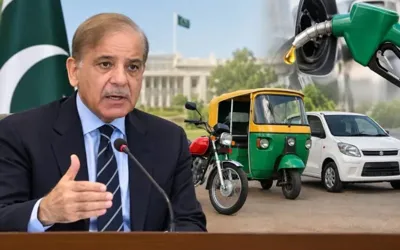
Prime Minister Shehbaz Sharif approved an initial draft last month. He directed officials to revise it, and the government said it would discuss the plan with the IMF in October. The draft will go to the IMF first and then to the federal cabinet for final approval. It is proposed to take effect in 2026 and remain in force until 2031.
Industry in limbo
The previous auto policy has expired, and the industry is still waiting for clarity on future taxes, duties, localization rules and incentives. Until the government and the IMF agree, automakers may face uncertainty over pricing and investment plans.