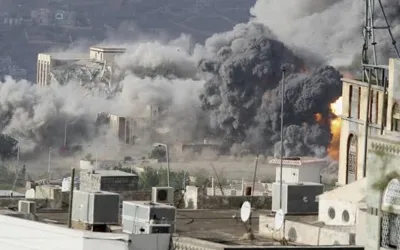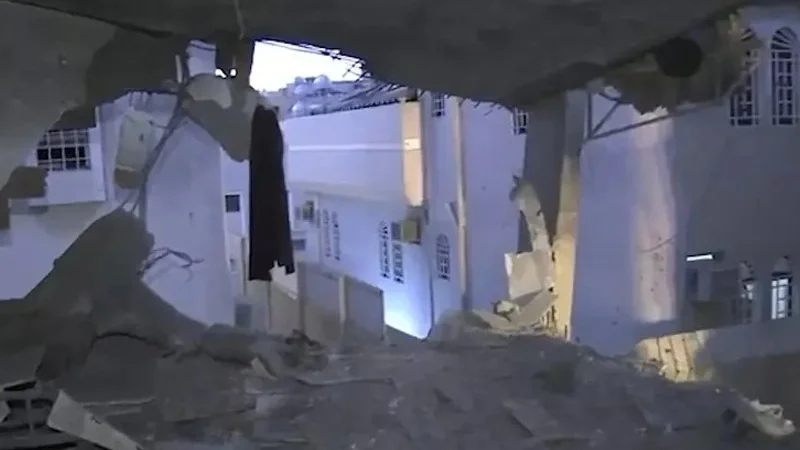
Fresh fighting between Saudi Arabia and Yemen’s Iran-aligned Houthi rebels intensified Wednesday, with the Houthis targeting three southern Saudi cities.
Saudi-led forces also struck multiple areas in Yemen, raising fears that the renewed violence could unravel a fragile calm that had largely held since the 2022 truce.
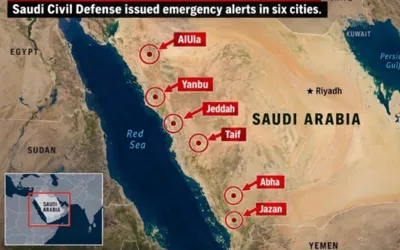
The Houthis targeted Abha, Khamis Mushait and Jazan with ballistic missiles and drones, according to Saudi-led coalition spokesperson Turki al-Malki. He said the rebels were continuing attacks on Saudi national assets and infrastructure.
Al-Malki said the coalition would respond “responsibly” to protect Saudi sovereignty, national assets and civilians.
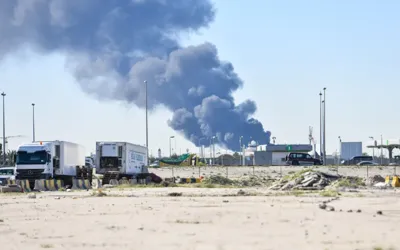
Saudi Civil Defense lifted alerts in Khamis Mushait and Abha on Wednesday, a day after Houthi attacks on the cities and two nearby areas wounded 73 people and set oil facilities ablaze.
The Tuesday strikes targeted an airbase in Khamis Mushait and oil infrastructure in nearby cities, marking some of the largest Houthi attacks on Saudi Arabia in years.
The latest escalation comes after months of rising tensions between the Houthis and Saudi-backed Yemeni government forces, renewing fears of a return to the broader conflict that eased under a United Nations-brokered truce in 2022.
The Houthis seized Yemen’s capital, Sanaa, about 12 years ago, prompting Saudi Arabia to lead an Arab coalition in support of the internationally recognized government in 2015.
Saudi-backed government forces have since launched a multi-pronged offensive against Houthi-held areas, seeking to reclaim territory controlled by the rebels.
Houthi-run Al Masirah television reported more than 40 Saudi airstrikes Wednesday across Marib, Al-Jawf, Taiz and Hodeida. It cited the Houthi health ministry as saying at least 32 people had been killed in Saudi strikes on Al-Jawf over the past two days. Saudi authorities have not confirmed the reported strikes or casualties.
The renewed exchanges risk worsening a conflict that has killed hundreds of thousands of people and created one of the world’s worst humanitarian crises.
The Saudi-Houthi escalation is unfolding as a broader Middle East conflict draws in more countries across the region.
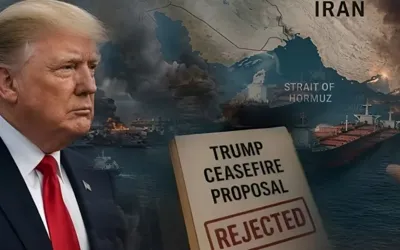
The wider war began after U.S.-Israeli strikes on Iran in late February. The Houthis, who are closely aligned with Tehran, have since expanded their military activity, while Saudi Arabia remains a U.S. ally.
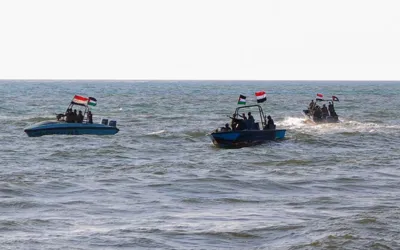
The Houthis declared a naval blockade against Saudi Arabia in the Red Sea in July, while Saudi-led forces responded with strikes on what they described as Houthi military facilities in Yemen.
More than 500 people have been killed since the Houthis launched a major offensive last week to seize territory around Bab al-Mandab, a strategic gateway linking the Red Sea with the Gulf of Aden.
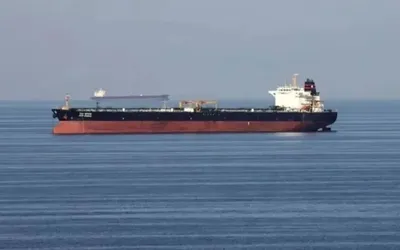
The escalation has also added pressure to regional energy and shipping routes. Oil prices returned to around $100 a barrel Wednesday as fighting intensified elsewhere in the region, including the Strait of Hormuz.
The European Union urged the Houthis to halt their attacks, warning that the latest escalation could further destabilize the region.
EU spokesperson Anouar El Anouni said, “We call on the Houthis to immediately end all attacks inside and outside Yemen, including attacks against commercial shipping in the Red Sea.”
The latest violence has heightened concerns that the fragile calm established by the 2022 truce could collapse, potentially pushing Yemen back toward a wider and more destructive phase of the conflict.