TEHRAN: A new Qatari proposal to end the war between Iran, the United States and Israel has met resistance from Tehran, while reports of possible fresh U.S. and Israeli strikes threaten to derail diplomatic efforts.
An official briefed on the negotiations said the draft was presented in Tehran on Sunday and was under consideration, with a response expected by the end of the week. The proposal outlines a seven-day process involving daily confidence-building measures to address concerns from both Washington and Tehran. Several countries would serve as guarantors if an agreement is reached, the official said.
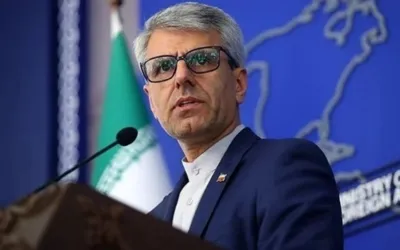
However, a senior Iranian official involved in the talks said Qatar had presented “unacceptable ideas and not an offer.” The official added that Tehran’s position on its nuclear program had not changed.
Qatar and Pakistan have led mediation efforts to end the conflict, which has disrupted global shipping and energy supplies and spread to other parts of the Middle East.
Iran seeks progress on its own proposal
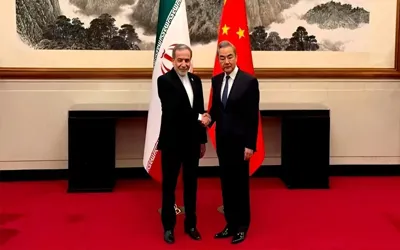
Iranian Foreign Minister Abbas Araghchi said Wednesday that Tehran remained in contact with intermediaries to discuss implementing its own seven-day plan to end the war and reopen the Strait of Hormuz.
“While our Brave Armed Forces are fully prepared to defend the Homeland, Iran continues to give diplomacy a chance to succeed,” Araghchi said in a post on X.
He said the plan could be implemented in less than a week if the necessary arrangements were agreed upon.
Iran presented its proposal through Qatar in September. Araghchi said at the time that the Strait of Hormuz could reopen within seven days if certain conditions, including a ceasefire across the Middle East, were met.
The latest Qatari draft is different from Iran’s earlier proposal, according to the official briefed on the negotiations. Details of the new plan have not been made public.
Washington wants Iran’s nuclear program included in negotiations from the outset. Tehran, however, has demanded an end to the U.S. naval blockade of its ports, the lifting of sanctions on Iranian oil exports and the release of frozen Iranian assets abroad. Iran rejects Western concerns that its nuclear program is intended for military purposes.
Gulf shipping and oil supplies face risks
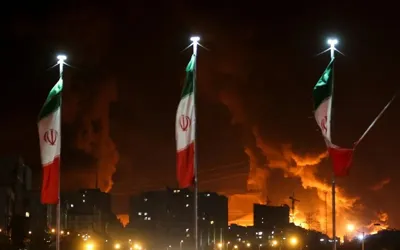
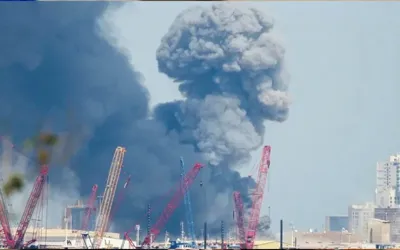
The diplomatic efforts come as the conflict threatens key shipping routes and energy infrastructure across the region.
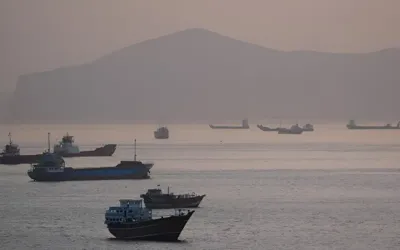
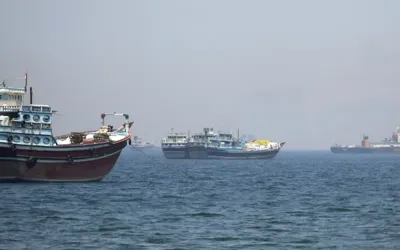
Iran has asserted control over the Strait of Hormuz, a critical route for global oil shipments, while the United States has imposed a naval blockade on Iranian ports. The confrontation has heightened concerns about disruptions to energy supplies.
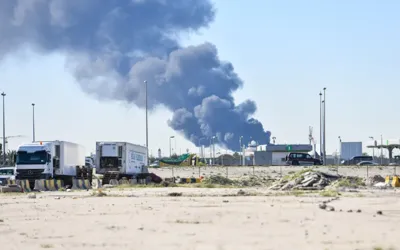
Yemen’s Iran-aligned Houthi forces have also launched attacks against Saudi Arabia, opening another front in the conflict. Fighting has intensified near the Bab el-Mandeb Strait, a strategic shipping route linking the Red Sea with the Gulf of Aden.
Oil prices rose more than 1% on Wednesday, with Brent crude trading above $115 a barrel after a Houthi attack on Saudi Arabia’s Ras Tanura oil refinery heightened concerns about supply disruptions.
Qatar said Tuesday that Iran needed to stop threatening Arab Gulf states and reopen the Strait of Hormuz to demonstrate its commitment to mediation.
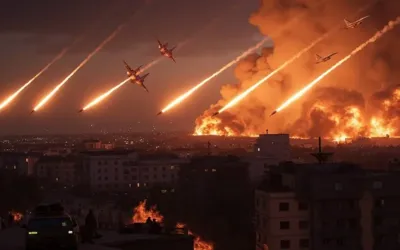
The diplomatic push is unfolding amid concerns that the United States and Israel could resume military operations against Iran.
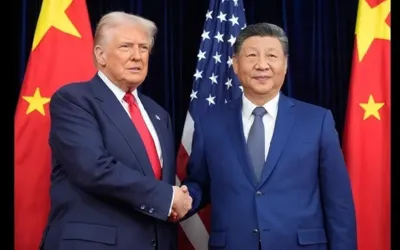
The official briefed on the negotiations said concerns had emerged before Sunday’s meeting in Tehran that Israeli Prime Minister Benjamin Netanyahu could order renewed attacks. Trump also repeated threats to strike Iran on Friday.
Iranian security officials told Reuters that Tehran had drawn up plans to target undersea cables in the Gulf if the United States and Israel resumed attacks.
A report by Axios on Wednesday said regional mediators led by Qatar were seeking a diplomatic agreement to restart U.S.-Iran talks and prevent a return to war after the Nov. 3 U.S. midterm elections. Citing U.S., Israeli and regional sources, the report said discussions included possible sanctions relief in exchange for allowing U.N. inspectors to visit bombed Iranian nuclear sites.
On Monday, senior officials from Saudi Arabia, Turkey and Pakistan met Iranian officials in Tehran as part of efforts to reduce tensions.
Separately, The Wall Street Journal reported, in an account cited by Anadolu, that the United States had urged several Gulf Arab countries to prepare for a possible “short, intense military campaign” against Iran after the midterm elections.
The report said Washington was moving a Patriot missile defense system from Texas to the region, repositioning troops away from vulnerable bases and replenishing ammunition. An additional aircraft carrier strike group and a Marine expeditionary unit were expected to join U.S. forces in the Middle East next month, it added.
Trump had not made a final decision on further military action, the report said, citing people familiar with his thinking. Possible targets could include Iranian infrastructure and nuclear facilities.
U.S. war costs top $47 billion
The financial cost of the conflict is also mounting. Pentagon data obtained by Reuters put U.S. military spending on the war at more than $47 billion, exceeding the Defense Department’s July estimate by more than 25%.
The estimate includes operational costs and projected expenses to replace weapons and equipment used or lost during the conflict. More than $29 billion was projected for replacing expended munitions, while more than $6 billion would be needed to replace military equipment, including aircraft and drones.
The Pentagon did not immediately respond to a request for comment on the estimate, which had not been publicly released.
With Tehran rejecting the latest ideas and reports of possible military escalation continuing, mediators face the challenge of reviving negotiations before the conflict further threatens regional security and global energy supplies.