WASHINGTON: The United States has ordered non-emergency government employees and their families to leave Saudi Arabia as Houthi attacks on the kingdom escalate, the State Department said.
State Department spokesman Tommy Pigott said in a post on X that the order applies only to Saudi Arabia, citing increasing attacks by Iran-aligned Houthis on civilian targets. Reuters reported that Washington also plans to withdraw family members from other missions in the region.
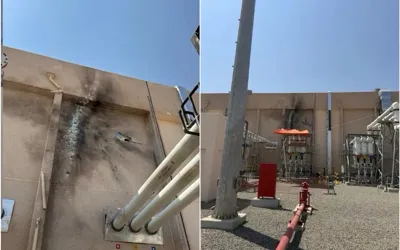
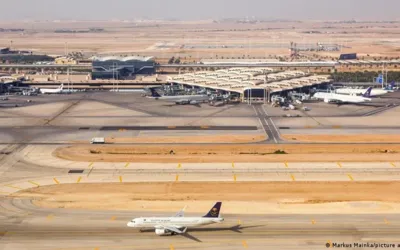
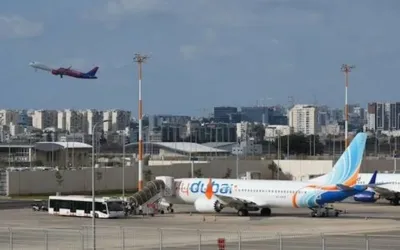
A strike Wednesday on King Fahd International Airport in Dammam killed at least one person and injured eight, the Saudi Press Agency reported. Two people died in a drone attack on Saudi Aramco's Shaybah oil field, the agency said, adding that operations were not affected.
The move comes as the U.S. and Israeli militaries have drawn up specific plans for renewed strikes on Iran after next month's midterm elections, according to The New York Times, citing unnamed U.S. officials. Planning for a "short but intensive" operation is progressing, the newspaper said.
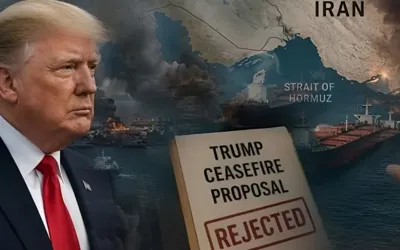
The developments point to a possible widening of the nearly eight-month war, while U.S. and Iranian negotiators continue talks on Tehran's nuclear program and the Strait of Hormuz.
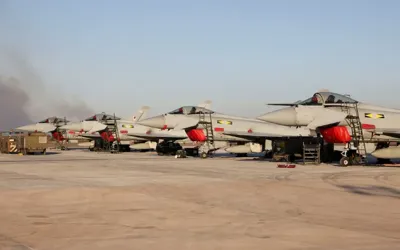
In recent days, the U.S. and Israeli militaries have stepped up military exercises, including flying planes over Iraq to practice strike maneuvers, according to The New York Times. The newspaper also reported that Defense Secretary Pete Hegseth met Israeli Prime Minister Benjamin Netanyahu during an unannounced visit to Israel this week to discuss potential new strikes.
The renewed military strikes would likely target Iran's energy infrastructure, nuclear facilities, and missile and drone arsenal, according to The Times, noting that President Donald Trump has yet to approve the fresh strikes and has repeatedly vetoed plans for a return to major combat this year.
Iranian officials have vowed to widen their attacks to target data centers and undersea internet cables, while refusing concessions on their nuclear program.
Despite persistent shipping disruptions in the Strait of Hormuz, Middle East oil flows through the vital strait have recovered to near pre-war levels, according to the commodity research firm Kpler.
As Brent crude topped $110 a barrel and West Texas Intermediate gained 1% to $98.12, recovering appetite for crude from China could drive oil prices higher, Kpler said.
"China's crude import demand is expected to continue recovering, driven by rising refinery throughput and rapidly declining crude inventories," said Muyu Xu, senior crude oil analyst at Kpler. The war has cut China's oil stockpiles, with the fastest drawdown on record at 1.6 million barrels a day in September, Xu estimated.
China still holds 1.1 billion barrels in reserves, about 80 days of refinery needs, Xu said. She added that with virtually all Iranian cargoes outside the U.S. blockade discharged, substantial new crude arrivals in China appear unlikely.
Chinese state-owned refiners are likely to have a stronger appetite and greater urgency to secure prompt Middle Eastern barrels as they face higher throughput and inventory-replenishment needs. Independent refiners are also seeking alternatives to Iranian crude, a shift that could limit further downside in the Dubai structure, Xu said.