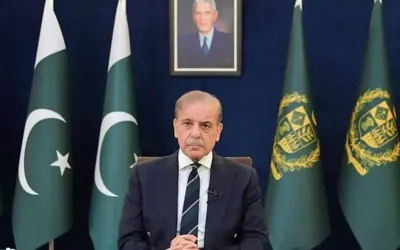
ISLAMABAD: Prime Minister Shehbaz Sharif on Sunday, Nov. 29, urged political parties and all sections of society to unite and make difficult decisions to reduce Pakistan’s growing debt, saying collective efforts and economic reforms were essential to achieving financial independence.
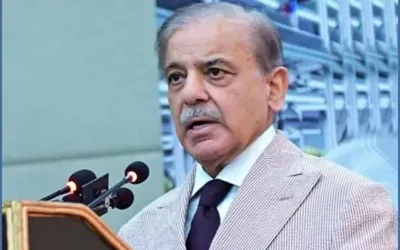
Addressing participants at the National Security Workshop in Islamabad, Shehbaz Sharif said Pakistan’s debt had continued to increase over the past 80 years.
He said the country could overcome its financial challenges if the nation worked together and took necessary steps. The prime minister said subsidies had contributed to economic difficulties, adding that the money used to fund them came from taxpayers.
He said Pakistan could have made greater progress without depending on such financial assistance. He also highlighted the financial burden of loss-making state-owned enterprises and widespread tax evasion.
Shehbaz Sharif said the government was not interested in blaming anyone but wanted to identify the reasons behind these problems and find lasting solutions.
Reflecting on the government’s performance over the past two and a half years, he said several challenges had been addressed with the support of political parties in Parliament.
However, he acknowledged that more work was needed. Shehbaz Sharif recalled criticism over the closure of the Pakistan Public Works Department, saying the decision had prevented corruption worth Rs100 billion.
He also defended the closure of the Utility Stores Corporation, which he said had been affected by widespread corruption. According to the prime minister, people had been forced to wait in long lines for low-quality food products.
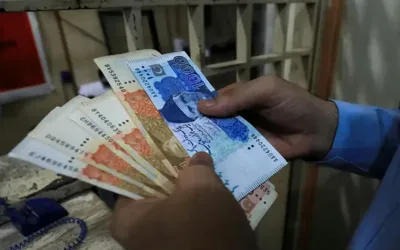
He said the government had replaced the system with digital wallets to provide financial assistance directly to eligible people, helping save hundreds of billions of rupees from corruption.
Turning to foreign policy, Shehbaz highlighted Pakistan’s diplomatic efforts to bring the United States and Iran to the negotiating table in Islamabad after 47 years.
He praised Chief of the Defence Forces and Chief of Army Staff Field Marshal Syed Asim Munir and Deputy Prime Minister Ishaq Dar for their contributions to the diplomatic effort.
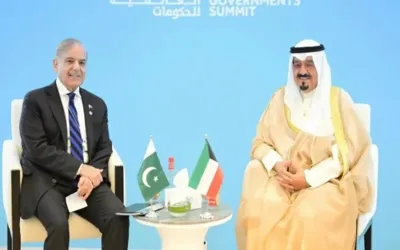
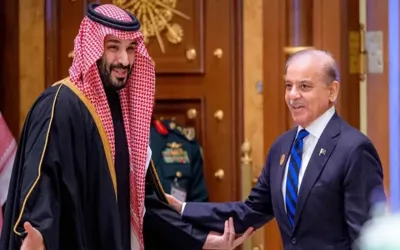
The prime minister said Pakistan maintained strong ties with the United States and Gulf countries, particularly Saudi Arabia. He also referred to the defense agreement signed with Riyadh last year and trilateral defense cooperation among Pakistan, Saudi Arabia and Turkey.
Shehbaz Sharif said the partnerships aimed to promote regional peace, security and prosperity and were not directed against any country.
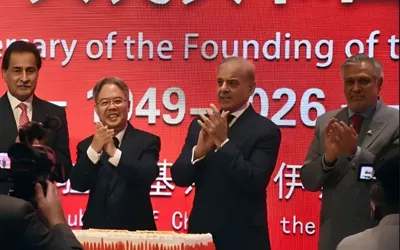
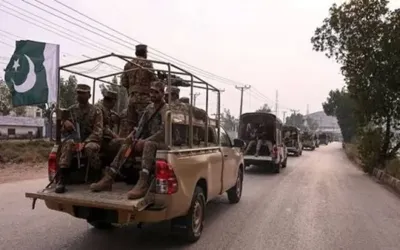
He also referred to Marka-e-Haq, saying Pakistan had dealt a major blow to India during the brief conflict. The prime minister stressed that Pakistan must turn its diplomatic and strategic achievements into economic gains and avoid losing important opportunities.
Shehbaz Sharif said the government, with the support of military leadership, had introduced structural reforms, particularly at the Federal Board of Revenue, to reduce corruption and tax evasion.
He said the FBR had recovered Rs900 billion through enforcement measures during the 2025-26 fiscal year. The prime minister identified indirect taxes, especially sales tax, as the biggest source of tax evasion within the revenue authority.
Recalling a meeting with the International Monetary Fund’s managing director in the United States, Shehbaz said she had described Pakistan as a changed country. He credited the progress to sincere efforts, hard work and continued commitment.
The prime minister said Pakistan’s economic growth had been projected at 3.5%, but stressed that the country should aim to increase it to at least 6% as soon as possible.
He said Pakistan’s foreign exchange reserves were at their highest level in history. However, he questioned whether the country wanted to continue relying on outside assistance or build a future based on dignity and economic independence.
Shehbaz Sharif said achieving self-reliance would require hard work, honesty and strong national commitment. He said Pakistan’s exports had increased by 8% during the first quarter of the current fiscal year, while information technology exports reached $4.6 billion in the previous fiscal year.
Despite the progress, he said the country needed to do much more to strengthen its export sector and improve its economic performance.
The prime minister also expressed disappointment over the slow progress in agriculture, saying the sector had not received the attention it deserved.
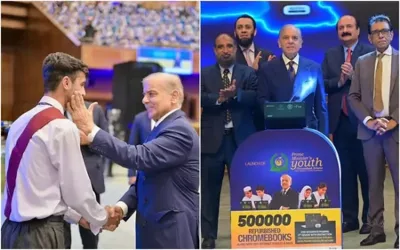
Highlighting the role of young people in Pakistan’s future, Shehbaz said the government was working with provincial administrations to expand technical, vocational and skills training programs to help young people develop practical skills and improve their employment opportunities.