Pakistan is bracing for a difficult winter as QatarEnergy extends its suspension of liquefied natural gas supplies until Dec. 29, raising concerns about fuel shortages, power disruptions and reduced gas availability for industries during the coldest months of the year.
The extension is putting additional pressure on the government as it struggles to arrange alternative LNG shipments to meet rising demand in December and January. The shortage could affect households, power plants, industrial units, fertilizer manufacturers, cement factories and compressed natural gas stations.
Federal Minister for Petroleum and Natural Resources Ali Pervaiz Malik confirmed the development by saying Qatar had extended its force majeure on LNG supplies until the end of December. The government is now planning to arrange 10 LNG cargoes for the two peak winter months.
The estimated requirement stands at 20. Pakistan needs nine cargoes in December and another 11 in January, leaving a significant gap between expected demand and available supplies. The shortage could increase competition among households, industries and the power sector for limited gas resources.
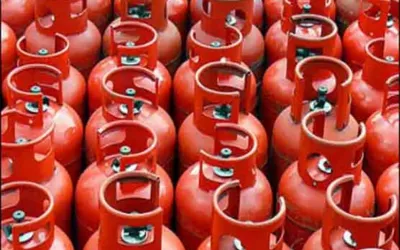
The government is expected to prioritize domestic consumers during the winter, which could leave factories and other industrial businesses facing reduced gas supplies. Senior officials from Sui gas companies said household gas demand in Punjab and Khyber Pakhtunkhwa could rise sharply during the winter season. Consumption is expected to increase from 500 million cubic feet per day to 1,500 million cubic feet per day as temperatures fall.
In Sindh and Balochistan, domestic gas demand is also expected to increase significantly, doubling from 300 million cubic feet per day (mmcfd) to 600 mmcfd. The rising demand, combined with limited LNG availability, could make it difficult for the government to maintain an uninterrupted gas supply throughout the winter. Power plants and industrial consumers may face restrictions as authorities try to ensure households have enough gas for cooking and heating.
With Qatar's supply suspension extending into the peak winter period, Pakistan faces growing pressure to secure alternative LNG cargoes and manage its limited energy resources. The government's ability to arrange additional shipments will play an important role in determining how severely households and businesses are affected in the coming months.