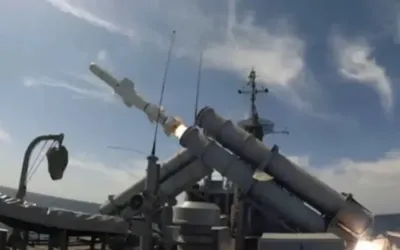
Saudi Arabia reportedly conducted a series of undisclosed airstrikes on Iranian territory in late March, marking a significant and previously unreported escalation in the ongoing Middle East conflict, according to Western and Iranian officials familiar with the matter.
Two Western officials and two Iranian officials said the strikes were carried out by the Saudi Air Force in what was described as a “tit-for-tat” response to attacks on the kingdom during the wider regional war. The exact targets of the strikes, however have not been independently confirmed.
If verified this would represent the first known instance of Saudi Arabia directly launching military action against Iran highlighting a sharp shift in the kingdom’s security posture amid rising regional tensions.
Saudi authorities did not directly confirm or deny the reports, while Iran’s foreign ministry also declined to comment on the matter.
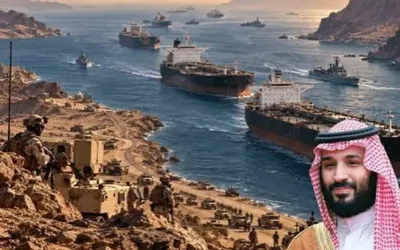
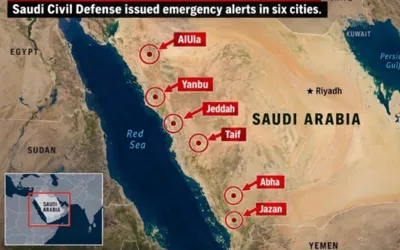
Officials said Saudi Arabia, which has long depended on U.S. security protection, found itself increasingly exposed during the prolonged conflict, as missile and drone attacks expanded across multiple Gulf states and strategic infrastructure.
The conflict reportedly intensified following U.S. and Israeli strikes on Iran in late February, triggering a broader regional escalation involving multiple countries.
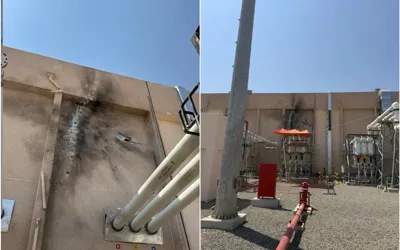
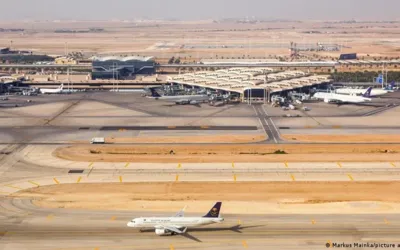
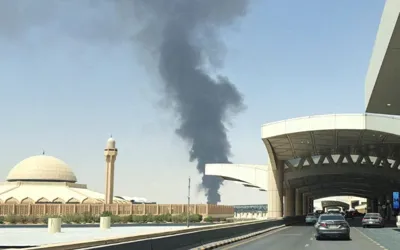
Iran is said to have responded with attacks across Gulf Cooperation Council states, targeting military bases, civilian infrastructure, airports, and oil facilities, while also disrupting key maritime routes in the Strait of Hormuz.
Separate reports suggest the United Arab Emirates also carried out strikes on Iranian positions, indicating a widening pattern of direct and indirect retaliation among Gulf states, though each country’s approach has differed significantly.
Saudi Arabia, in contrast, is described as pursuing a dual-track strategy limited military retaliation combined with active diplomatic engagement to prevent further escalation. The UAE has reportedly adopted a more hardline and confrontational stance toward Tehran.
According to officials Riyadh informed Tehran about the strikes which was followed by intense backchannel diplomacy and mutual warnings. This eventually led to an informal agreement between both sides to de-escalate tensions and avoid further direct confrontation.
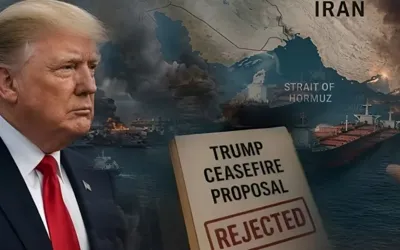
The understanding reportedly took effect shortly before a broader ceasefire agreement between the United States and Iran was reached in early April.
An Iranian official confirmed that both countries agreed to reduce hostilities to safeguard national interests and prevent a wider regional war, emphasizing that the move was aimed at controlling escalation rather than achieving reconciliation.
Analysts say the sequence of retaliatory strikes followed by de-escalation reflects a calculated recognition by both Riyadh and Tehran that uncontrolled escalation could carry severe regional and economic consequences.
Despite decades of rivalry and opposing positions in regional conflicts, Iran and Saudi Arabia have maintained communication channels, strengthened further after a China-brokered diplomatic reset in 2023 that restored ties between the two powers.
Saudi Arabia has since focused on balancing deterrence with restraint, seeking to protect its strategic interests, energy exports, and maritime trade routes while avoiding a full-scale regional war.
The developments underline a rapidly shifting security landscape in the Middle East, where direct and indirect military actions between regional rivals are increasingly reshaping long-standing geopolitical equations.