Thursday, September 24, 2026
Watch Live
UPDATED
FUEL PRICE
21-SEP-2026
PETROL
-1.93 PKR
Rs. 390.12/ltr
DIESEL
-4.21 PKR
Rs. 414.75/ltr
Headlines
Gulf stocks edge higher on oil recovery, diplomacy hopes ‘Off Campus’ S2 wraps as leaked BTS footage shakes fandom fever Rising Opioid Use Disorder crisis hits older adults Pakistan develops 'Gender Tracker' to tackle online harassment of women Bahawalpur teen plays 'Breaking Bad', arrested for poisoning father with AI help Trump’s Board of Peace recovery blueprint sets $2.45B six-month plan to rebuild Gaza Rock world in shock as Rose Tattoo frontman 'Angry Anderson' dies at 79 Massive unexploded 'WW2' bomb found near Falmouth Docks Punjab boards announce Intermediate Part-II results 2026 PM appoints Hamza Farrukh as Pakistan Climate Change Authority chair Pakistan Navy, Coast Guards foil smuggling bid in Pishukan Saudi Arabia marks 96th National Day, highlights close Pakistan-Saudi partnership Pindiz owner warns of PSL exit over Rizwan Trump meets Venezuela’s Delcy Rodriguez on UNGA sidelines Shehbaz meets Bill Gates, reaffirms push to eradicate polio ADB forecasts Pakistan growth at 3.7% for FY2027, warns of middle east risks Prime Minister Shehbaz and DPM Dar ramp up diplomacy at UN General Assembly US F-16 crashes near German air base after training exercise Pakistan foils Afghan infiltration, responds to border fire Gulf stocks edge higher on oil recovery, diplomacy hopes ‘Off Campus’ S2 wraps as leaked BTS footage shakes fandom fever Rising Opioid Use Disorder crisis hits older adults Pakistan develops 'Gender Tracker' to tackle online harassment of women Bahawalpur teen plays 'Breaking Bad', arrested for poisoning father with AI help Trump’s Board of Peace recovery blueprint sets $2.45B six-month plan to rebuild Gaza Rock world in shock as Rose Tattoo frontman 'Angry Anderson' dies at 79 Massive unexploded 'WW2' bomb found near Falmouth Docks Punjab boards announce Intermediate Part-II results 2026 PM appoints Hamza Farrukh as Pakistan Climate Change Authority chair Pakistan Navy, Coast Guards foil smuggling bid in Pishukan Saudi Arabia marks 96th National Day, highlights close Pakistan-Saudi partnership Pindiz owner warns of PSL exit over Rizwan Trump meets Venezuela’s Delcy Rodriguez on UNGA sidelines Shehbaz meets Bill Gates, reaffirms push to eradicate polio ADB forecasts Pakistan growth at 3.7% for FY2027, warns of middle east risks Prime Minister Shehbaz and DPM Dar ramp up diplomacy at UN General Assembly US F-16 crashes near German air base after training exercise Pakistan foils Afghan infiltration, responds to border fire

NASA to allow astronauts to take smartphones into space for first time

Modern technology enhances communication, documentation, and crew engagement

Web Desk February 06, 2026 Add Bol News as a trusted source

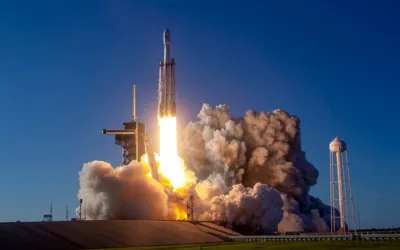
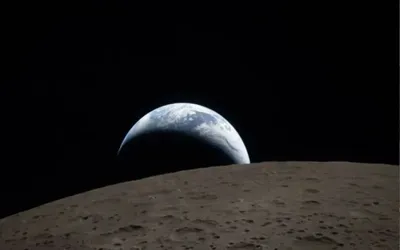
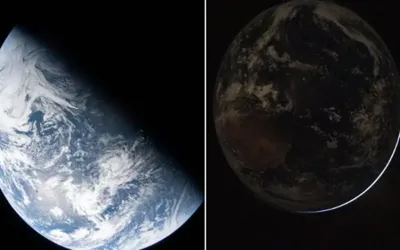
Humanity’s reach into space has always been defined by innovation and the blending of technology with exploration. For the first time in history, astronauts will carry advanced smartphones into orbit and on lunar flybys an emblem of how personal technology is reshaping the way we experience space.

This move promises not only to capture the extraordinary vistas of Earth and the Moon but also to bring the realities of space closer to people on Earth, bridging the gap between exploration and everyday life.

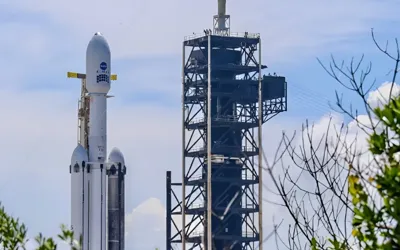
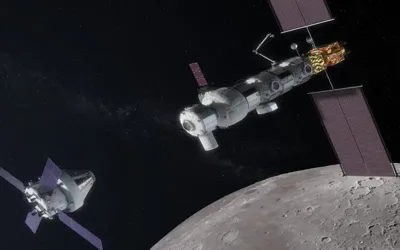
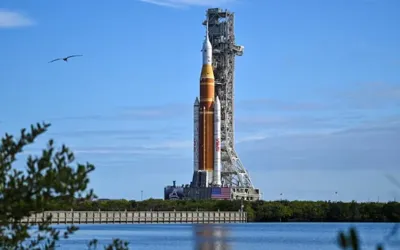
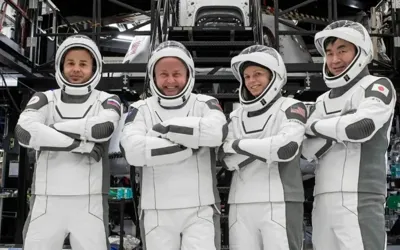
NASA has announced that astronauts travelling to the International Space Station aboard Crew-12, as well as those taking part in the Artemis II lunar flyby, will carry these devices into space a milestone in modern human spaceflight.

The smartphones will allow astronauts to record photos and videos of key mission moments and share them with audiences on Earth, offering unprecedented insight into life beyond our planet.

This marks the first occasion on which personal smartphones will be permitted during space missions. NASA confirmed that extensive safety evaluations have been conducted to ensure the devices do not interfere with critical onboard systems.

In previous Soyuz and Space Shuttle missions, personal phones were prohibited due to technological limitations and operational risks.

With today’s enhanced hardware and strict testing protocols, NASA believes smartphones will significantly improve communication, mission documentation, and crew wellbeing during long-duration flights.

The initiative highlights NASA’s evolving approach to exploration embracing modern technology to create a more connected, efficient, and human-focused space programme.
Recommended