Thursday, September 24, 2026
Watch Live
UPDATED
FUEL PRICE
21-SEP-2026
PETROL
-1.93 PKR
Rs. 390.12/ltr
DIESEL
-4.21 PKR
Rs. 414.75/ltr
Headlines
Gulf stocks edge higher on oil recovery, diplomacy hopes ‘Off Campus’ S2 wraps as leaked BTS footage shakes fandom fever Rising Opioid Use Disorder crisis hits older adults Pakistan develops 'Gender Tracker' to tackle online harassment of women Bahawalpur teen plays 'Breaking Bad', arrested for poisoning father with AI help Trump’s Board of Peace recovery blueprint sets $2.45B six-month plan to rebuild Gaza Rock world in shock as Rose Tattoo frontman 'Angry Anderson' dies at 79 Massive unexploded 'WW2' bomb found near Falmouth Docks Punjab boards announce Intermediate Part-II results 2026 PM appoints Hamza Farrukh as Pakistan Climate Change Authority chair Pakistan Navy, Coast Guards foil smuggling bid in Pishukan Saudi Arabia marks 96th National Day, highlights close Pakistan-Saudi partnership Pindiz owner warns of PSL exit over Rizwan Trump meets Venezuela’s Delcy Rodriguez on UNGA sidelines Shehbaz meets Bill Gates, reaffirms push to eradicate polio ADB forecasts Pakistan growth at 3.7% for FY2027, warns of middle east risks Prime Minister Shehbaz and DPM Dar ramp up diplomacy at UN General Assembly US F-16 crashes near German air base after training exercise Pakistan foils Afghan infiltration, responds to border fire Gulf stocks edge higher on oil recovery, diplomacy hopes ‘Off Campus’ S2 wraps as leaked BTS footage shakes fandom fever Rising Opioid Use Disorder crisis hits older adults Pakistan develops 'Gender Tracker' to tackle online harassment of women Bahawalpur teen plays 'Breaking Bad', arrested for poisoning father with AI help Trump’s Board of Peace recovery blueprint sets $2.45B six-month plan to rebuild Gaza Rock world in shock as Rose Tattoo frontman 'Angry Anderson' dies at 79 Massive unexploded 'WW2' bomb found near Falmouth Docks Punjab boards announce Intermediate Part-II results 2026 PM appoints Hamza Farrukh as Pakistan Climate Change Authority chair Pakistan Navy, Coast Guards foil smuggling bid in Pishukan Saudi Arabia marks 96th National Day, highlights close Pakistan-Saudi partnership Pindiz owner warns of PSL exit over Rizwan Trump meets Venezuela’s Delcy Rodriguez on UNGA sidelines Shehbaz meets Bill Gates, reaffirms push to eradicate polio ADB forecasts Pakistan growth at 3.7% for FY2027, warns of middle east risks Prime Minister Shehbaz and DPM Dar ramp up diplomacy at UN General Assembly US F-16 crashes near German air base after training exercise Pakistan foils Afghan infiltration, responds to border fire

Astronauts face vision problems after returning from Space mission

Astronauts face vision problems after returning from Space mission

Web Desk July 23, 2025 Add Bol News as a trusted source

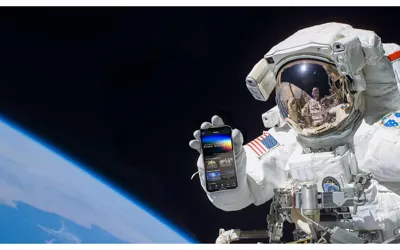
Astronauts returning from long missions aboard the International Space Station are facing an unexpected and troubling side effect: changes in their vision. According to NASA, nearly 70% of astronauts on extended missions report some form of visual impairment after returning to Earth.

The issue was first highlighted by Dr. Sarah Johnson, who noticed her eyesight had changed after completing a six-month mission. She explained that the text she could read clearly before her launch became blurry once she returned.

This isn’t a one-off case. Astronauts have consistently reported problems such as difficulty reading, blurry distance vision, and other lasting changes to their eyesight even years after returning home.

NASA has identified this condition as Spaceflight-Associated Neuro-Ocular Syndrome (SANS), and it’s quickly becoming one of the most pressing health concerns for astronauts on long-term missions.

Unlike muscle loss or bone density issues, which can be reversed, SANS may lead to permanent vision damage. Scientists believe microgravity plays a key role. On Earth, gravity helps pull bodily fluids downward. But in space, these fluids shift upward, causing facial puffiness and increased pressure inside the skull, which may affect the eyes.

NASA researchers are now working to better understand SANS—and how to protect astronauts on future deep-space missions.

[embedpost slug="spacex-launches-rescue-mission-for-stranded-astronauts/"]
Recommended