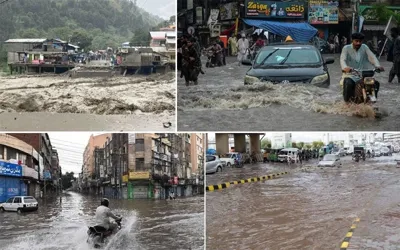
KARACHI: Pakistan is among the 10 countries bearing the brunt of the global hunger crisis, with climate disasters, economic hardship, displacement and shrinking humanitarian funding pushing vulnerable communities deeper into food insecurity, according to a report released Friday by Action Against Hunger.
The report, "Ten Largest Global Food Crises," issued in connection with World Food Day, warns that an estimated 10.6 million people in Pakistan will require humanitarian assistance in 2026, despite ongoing recovery efforts and improvements in some macroeconomic indicators.
Globally, about 177 million people live in the 10 countries where hunger is most concentrated, and acute hunger has doubled over the past decade, affecting 266 million people across 47 countries, the report says. The countries facing the largest food crises are Nigeria, Congo, Sudan, Yemen, Afghanistan, Myanmar, Bangladesh, Pakistan, South Sudan and Syria.
In Pakistan, persistent poverty, high food inflation, rising living costs, limited employment opportunities and declining household incomes continue to erode families' purchasing power. Unfavorable agricultural prices and broader economic instability have further undermined livelihoods, leaving millions struggling to afford adequate food.
As humanitarian needs outstrip available resources, vulnerable households are increasingly resorting to damaging coping strategies, including cutting food consumption, selling productive assets and withdrawing children from school to cope with financial pressures. The report cautions that such measures may provide temporary relief but can deepen poverty, undermine children's education and nutrition, and weaken families' ability to recover from future shocks.
Limited access to health care, nutrition services, clean water, sanitation and hygiene, and social protection is compounding the crisis, particularly in rural and disaster-affected areas. Persistent poverty and acute malnutrition remain major drivers of humanitarian needs, while cuts to support services and livelihood programs are further eroding community resilience.
Pakistan's exposure to climate-related disasters remains a major source of food insecurity. Recurrent floods, droughts, heat waves, glacial lake outburst floods and increasingly erratic monsoon rainfall have damaged infrastructure, reduced agricultural production and weakened livestock-dependent livelihoods. Crop losses and prolonged dry spells have also increased households' reliance on markets for food at a time when many families have limited purchasing power. Several districts are experiencing prolonged drought conditions, adding to concerns about agricultural output and rural incomes.
The report warns that seasonal hardships can intensify these pressures. The lean season from December 2025 to March 2026, characterized in some areas by extended winter conditions and heavy snowfall, was identified as a period likely to worsen food insecurity by restricting access to markets and essential resources.
Insecurity and regional tensions are adding another layer of pressure to Pakistan's already fragile food security situation. According to the report, localized insecurity in Khyber Pakhtunkhwa and Balochistan continues to disrupt livelihoods, restrict access to markets and hamper humanitarian operations.