KARACHI: Traders across Pakistan are observing a strike Thursday, Sept. 3, at the call of Jamaat-e-Islami to protest the petroleum levy and rising inflation, with several major markets in Karachi shutting down while businesses in other areas remain open.
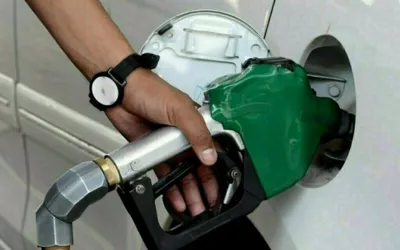
The nationwide action is aimed at pressuring the federal government to withdraw the levy and provide relief from rising fuel and electricity costs.
Jamaat-e-Islami Emir Hafiz Naeemur Rehman called for the strike and urged traders across the country to close their businesses in support of the campaign. He has described the petroleum levy as an additional burden on the public and demanded its withdrawal, along with reductions in petrol and electricity prices.
Rehman warned that JI could march on Islamabad if the government fails to address the party’s demands. Speaking at a JI sit-in outside the Punjab chief minister’s residence in Lahore, he said the party’s protest campaign had expanded beyond three cities, with demonstrations and sit-ins being held in different parts of the country.
The JI leader said the party’s demands also include changes to agreements with Independent Power Producers (IPPs), and action against what he described as the “flour mafia.” He said previous protests had resulted in relief on electricity prices and urged the government to provide similar relief on petroleum products.
Karachi markets back the shutdown
Several major trader groups in Karachi have announced their support for the strike.
The Alliance of Market Associations said 43 markets had agreed to participate in the shutdown. Alliance President Faheem Noori said markets in Saddar, including electronics and mobile phone markets, would remain closed.
Noori said all markets affiliated with the alliance had been directed to take part in the strike against the additional levy imposed on petrol and diesel.
The Clifton Defence Traders Market Association also announced its support. Its president, Rashid Khan, said the additional levy on petroleum products was unacceptable and that traders were participating in the shutdown in the interest of the public.
The Karachi Sindh Traders Alliance also backed the strike, with some markets deciding to remain closed until 3 p.m. Trader leaders called on the government to take effective measures to reduce inflation and ease the financial pressure on consumers and businesses.
Electronics and mobile phone markets also announced their support. Representatives said the issue was not limited to a single political party but affected the wider public and business community.
Despite the support from several major trader groups, the response in Karachi has been mixed. Some commercial centers were closed from the morning, while businesses in other areas continued operating normally.
The overall impact of the strike is expected to become clearer after regular market-opening hours.
Trader groups divided over strike
The nationwide action has exposed differences among trader organizations over whether a shutdown is the best way to pressure the government.
Ajmal Baloch, president of the All Pakistan Traders Association, opposed the strike and called for markets to remain open. He said further disruption could put additional pressure on an economy already facing significant difficulties.
A traders’ organization led by Kashif Chaudhry supported the protest but left participation to individual traders, saying businesses could decide for themselves whether to close.
The differing positions have resulted in an uneven response across the country, with some markets observing a complete shutter-down while others continue normal commercial activities.
Rehman has urged traders and JI supporters to keep the campaign peaceful while intensifying pressure on the government. He said the movement was aimed at protecting the rights of citizens and addressing the financial burden created by taxes and rising prices.
Government reaches out to JI
Meanwhile, the federal government has reached out to JI over its ongoing sit-ins and protests against the petroleum levy, opening the possibility of negotiations between the two sides.
According to sources familiar with the matter, federal ministers contacted JI Deputy Emir Liaquat Baloch and offered talks through a three-member committee of federal ministers.
The committee has indicated that it is willing to meet JI representatives at the protest site or another location agreed upon by both sides. The proposed talks could be held in Islamabad, Karachi, Lahore or another mutually agreed location in the country.
JI has sought 24 hours to respond to the government’s offer, according to the sources.
The government’s outreach comes as JI continues its protest campaign and demands relief on petroleum products and other economic issues. The response to the talks could determine whether the confrontation moves toward negotiations or further protests.
Rehman raises PIMS concerns
Rehman also criticized the government over the PIMS tragedy, questioning whether doctors and paramedical staff had received adequate training to respond to emergencies and disasters.
He called for a comprehensive investigation into the incident and demanded a stronger disaster-response training system across the country.
Rehman also questioned PIMS’ decision to establish a separate inquiry committee after the prime minister had already constituted an investigation panel. He said the incident should not be addressed simply by suspending one official and called for a broader investigation into the circumstances surrounding the deaths of children.
For now, the strike remains uneven across Pakistan. Major markets in Karachi and some other cities have closed in support of JI’s demands, while other businesses remain open. With the government offering talks and JI considering its response, the coming days could determine whether the petroleum levy dispute moves toward a negotiated settlement or triggers further protests.