Across the world, a meal can look completely different depending on where you sit.
From chopsticks and metal spoons to flatbread and bare hands, the way people eat is shaped by centuries of culture, tradition and etiquette and even a familiar gesture at the table can carry a very different meaning from one country to another.
Thailand
In Thailand, the spoon is the main eating utensil. Diners traditionally hold a spoon in the right hand and a fork in the left, using the fork to push food onto the spoon rather than eating directly from it. Knives are generally less prominent because food is often prepared in bite-sized pieces.
Cambodia and Laos
Forks and spoons are also widely used in Cambodia and Laos. Like Thailand, these dining traditions place greater emphasis on the spoon than the knife, with utensils used together to move and scoop food.
Vietnam
In Vietnam, chopsticks and a flat-bottomed spoon often work together. A bowl of pho, for example, is typically eaten with chopsticks to handle the noodles and a spoon to collect the broth.
China
China is widely associated with chopsticks, but the Chinese soup spoon is another important part of the dining table. Short, thick-handled and relatively deep, it is commonly used for soups, broths and other foods that are difficult to pick up with chopsticks.
Chopsticks in China are generally longer and thicker, particularly when used for communal dishes.
Japan
Japanese chopsticks tend to be shorter and sharper than those commonly used in China. They are often designed for individual portions and can vary in shape and material depending on their purpose and the occasion.
South Korea
South Korea has its own distinctive combination of utensils. Metal chopsticks are common, especially at meals involving grilled foods, while a long-handled spoon is used for rice, soup and other dishes. Together, the two are known as sujeo.
Chopstick etiquette is also important across East Asia. In Japan, China and other countries in the region, placing chopsticks upright in a bowl of rice is generally avoided because the arrangement is associated with funeral rituals.
India
India offers a different approach to dining. In many parts of the country, food is traditionally eaten with the right hand, with the fingers used to mix, scoop and bring food to the mouth.
Flatbreads such as roti and naan can also act as edible utensils, allowing diners to scoop up curries, vegetables and other dishes. Customs vary by region, community and household.
Philippines
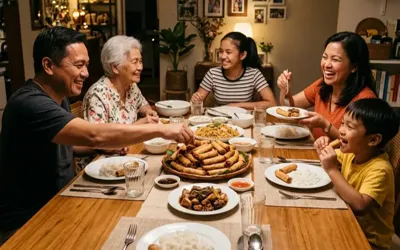
In the Philippines, traditional kamayan meals turn eating into a communal experience. Food is served on banana leaves and eaten by hand, with the shared arrangement encouraging diners to gather around the same spread.
North America
Forks, knives and spoons are standard in North American formal dining. The fork is traditionally held in the left hand while cutting food, with the knife in the right, although many diners switch the fork to the right hand afterward.
Outside formal settings, hand-held foods such as burgers, tacos, hot dogs and pizza are an everyday part of dining culture.
Brazil
Brazilian dining etiquette generally keeps the knife in the right hand and the fork in the left. Diners typically maintain that arrangement rather than switching the fork between hands, particularly during formal meals.
Ethiopia
In Ethiopia, the food itself can serve as a utensil. Injera, a soft, spongy flatbread made from teff, is used to scoop up stews, vegetables and meat. It can also cover the serving surface, making it an integral part of the meal rather than simply an accompaniment.
Switzerland and France
Fondue has its own specialized utensil in Switzerland and parts of France. Long forks are used to dip pieces of bread and other foods into melted cheese, oil or chocolate, depending on the type of fondue.
Middle East
In parts of the Middle East, grilled foods such as shish kebab may be served on wooden skewers, which can also make them easier to handle and eat. Practices differ across countries and dishes.
Italy
Italian dining has its own well-known pasta etiquette. Spaghetti is traditionally eaten by twirling it around a fork rather than using a spoon. The technique allows diners to gather the pasta neatly while eating directly from the plate.
Yemen
In Yemen, bread can serve as both food and utensil. Flatbreads such as malooga and lahoh may be used to scoop up savory dishes, soups and stews, making the bread an essential part of the dining experience.
Mexico
In Mexico, tortillas can also double as utensils. They are commonly used to scoop up foods such as beans, meat and other fillings, bringing together the dish and the tool used to eat it.
From Tradition to Innovation
The way people eat is about more than choosing between a fork and chopsticks. Utensils and dining practices can reflect local ingredients, cooking techniques, social customs and cultural history.
While traditional methods remain an important part of food culture, dining habits continue to evolve. Concerns over the environmental impact of disposable cutlery have also fueled interest in biodegradable and edible alternatives.
From a spoon in Thailand to chopsticks in East Asia and flatbread in parts of South Asia and the Middle East, the tools people use at the table can offer a glimpse into the traditions behind the food. Sometimes, the way a meal is eaten can tell a story just as rich as the meal itself.