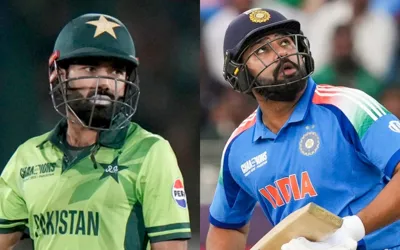
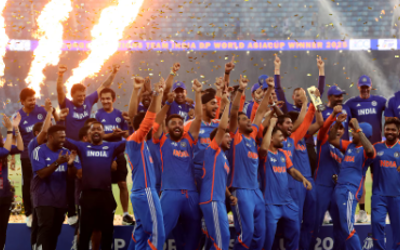
What was supposed to be a celebration of Asian cricket has instead exposed deepening political fault lines, as the Asia Cup 2025 descended into a symbolic battlefield between India and Pakistan. The tournament’s climax – India’s win over Pakistan in the final on September 28 – was immediately politicized by Indian Prime Minister Narendra Modi, who hailed the victory as an extension of “Operation Sindoor.”
“Operation Sindoor on the games field. Outcome is the same – India wins! Congrats to our cricketers,” he posted on X, drawing direct parallels between military conflict and sport. The reference revived his July 29 speech in Parliament, where he declared the military operation launched after a four-day clash in May a “victory,” but warned that it remained “active and resolute.”
Cricket as Conflict Theater:
The symbolism wasn’t lost on analysts or the public. Modi’s statement, they say, signaled the appropriation of cricket as a political weapon, with the India-Pakistan rivalry no longer confined to military skirmishes or diplomatic spats.
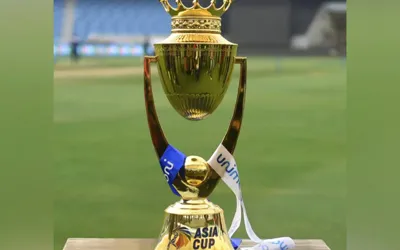
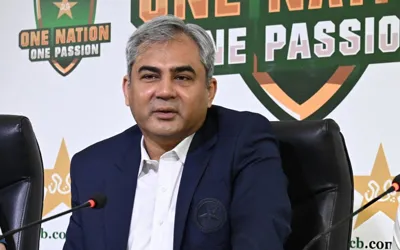
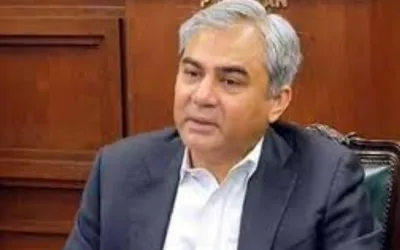
The final match had already been steeped in controversy. In a dramatic post-match decision, the Indian team declined to accept the Asia Cup trophy from Mohsin Naqvi, the chair of both the Asian Cricket Council (ACC) and Pakistan Cricket Board (PCB), and Pakistan’s sitting Interior Minister – a key figure in the civilian power structure.
“We have decided not to take the Asia Cup trophy from the ACC chairman, who happens to be one of the main political leaders of Pakistan,” said Devajit Saikia, chairman of the Board of Control for Cricket in India (BCCI), speaking to ANI.
Instead of presenting the trophy regardless, the ACC removed the hardware from the podium entirely, leaving Indian players to celebrate with a makeshift “shadow trophy” – an image that went viral on social media.
Naqvi's reaction on Modi's Tweet:
“If war was your measure of pride, history already records your humiliating defeats at Pakistan’s hands. No cricket match can rewrite that truth. Dragging war into sport only exposes desperation and disgraces the very spirit of the game.”
A Tournament Under Tension:
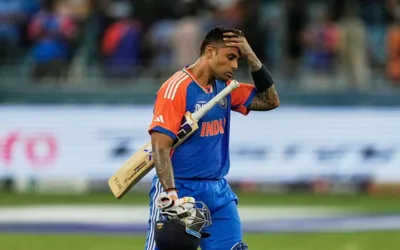
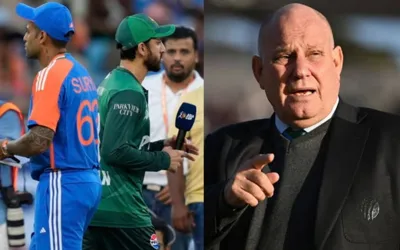
The Asia Cup had been fraught with tension from the outset. Calls for India to boycott the tournament were loud and persistent, with politicians, media commentators, and former players criticizing the BCCI’s decision to participate. Indian captain Suryakumar Yadav drew fire at home simply for shaking hands with Naqvi and Pakistan captain Salman Ali Agha at a pre-tournament press conference.
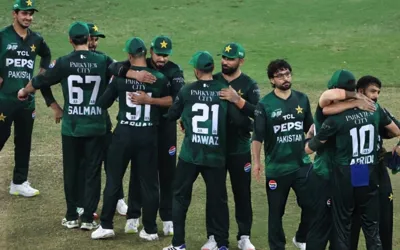
By the time the matches began, the chill was unmistakable. India refused to shake hands with Pakistani players before or after their fixtures – a gesture repeated even in the final.
Cricket No Longer Just a Game:
What was once viewed as a rare platform for soft diplomacy between two nuclear-armed neighbors has now become another extension of state rivalry. The symbolism of “Operation Sindoor” being invoked both on the battlefield and on the cricket pitch underscores the growing fusion of nationalism, politics, and sport in South Asia.