Hypertension, commonly known as high blood pressure (BP), has long been regarded as a major health concern among adults. However, medical experts are now sounding the alarm as rates of high blood pressure are rising sharply among children and adolescents worldwide.
Often referred to as a “silent killer,” high blood pressure can damage the body without obvious symptoms and may lead to life-threatening complications if left undiagnosed and untreated.
Pediatric hypertension — defined as high blood pressure in individuals under the age of 19 — has increased significantly over the past two decades.
Its prevalence has risen from 3.2% to 6.2%, according to recent data. Among overweight or obese children, the rate can reach as high as 25%, with boys and children over the age of 12 being particularly affected.
A global report indicates that childhood hypertension nearly doubled between 2000 and 2020, now affecting more than 114 million children and adolescents worldwide.
These findings are based on a large meta-analysis of 96 studies involving over 400,000 children across 21 countries, published in The Lancet Child & Adolescent Health.
The condition is most prevalent in Asia, while Europe and the United Kingdom are witnessing rapid increases as well.
Medical experts strongly link the rise in childhood hypertension to increasing obesity rates. Studies show that nearly 20% of obese children suffer from high blood pressure compared to their healthy peers.
Poor dietary habits, high consumption of processed foods, and sedentary lifestyles with minimal physical activity are cited as major contributors. One of the largest reviews covering two decades of data concluded that unhealthy eating patterns and lack of exercise are key drivers of deteriorating cardiovascular health in children.
Doctors warn that blood pressure levels tend to rise sharply during early adolescence, making regular screening during these years critically important. Children and teenagers with pre-hypertension are significantly more likely to develop full hypertension later in life.
Pre-hypertension affects around 11.8% of adolescents, compared to approximately 7% of younger children. If left unmanaged, high blood pressure can cause long-term and potentially fatal damage.
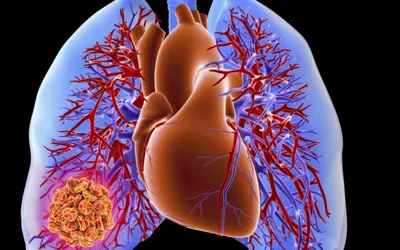
High blood pressure can harm vital organs, including the heart, kidneys, brain, and eyes. Prolonged elevated BP can lead to aneurysms, heart failure, heart attacks, strokes, kidney failure requiring dialysis or transplant, vision loss, and vascular dementia.
Research indicates that children with pre-hypertension who progress into adulthood face lifelong cardiovascular risks, as the condition may silently damage the body for years before symptoms appear.
Prof. Steve Turner, President of the Royal College of Paediatrics and Child Health, described the trend as “deeply concerning,” noting that many children with hypertension also suffer from obesity-related conditions such as type 2 diabetes, asthma, and mental health disorders.
In the UK, a healthy BP range is 90/60 to 120/80. Slightly raised BP ranges from 120/80 to 139/89, while hypertension is diagnosed at 140/90 or higher.
In the United States, stage 1 hypertension is defined as 130/80 to 139/89, and stage 2 hypertension begins at 140/90 or above.
Health experts say the good news is that obesity-related hypertension in children is often reversible, especially if detected early. Proper diagnosis, healthier diets, increased physical activity, and lifestyle changes can significantly reduce blood pressure levels in children and adolescents.
Prof. Bryan Williams, Chief Scientific and Medical Officer of the British Heart Foundation, has called for strong global action to curb childhood obesity.
He emphasized the need for stricter regulations on the marketing of unhealthy foods and measures to encourage the food industry to make everyday products healthier.