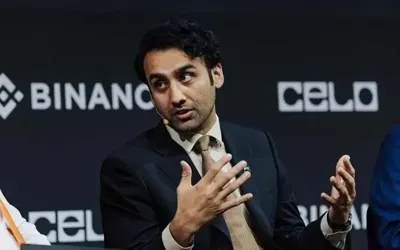
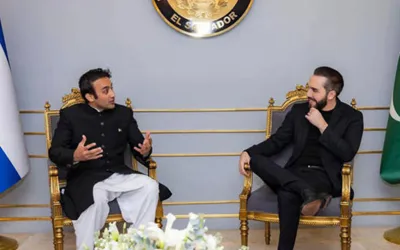
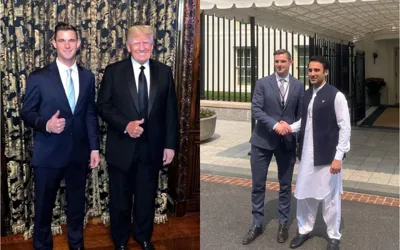
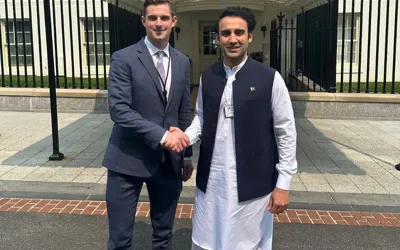
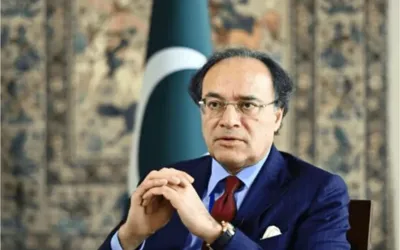
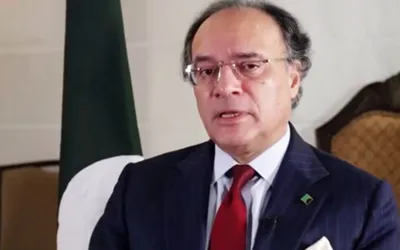
Pakistan Virtual Assets Regulatory Authority (PVARA) Chairman Bilal Bin Saqib said on Tuesday, Sept. 22, that artificial intelligence and tokenization could expand financial access in developing countries, urging emerging economies to make new technologies available to people left outside traditional banking systems.
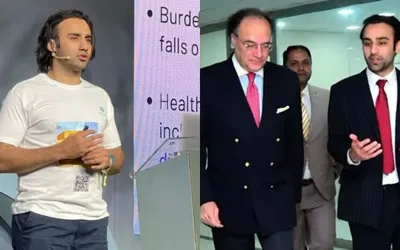
Speaking at the Social Business, Youth and Technology Forum during the 81st session of the United Nations General Assembly, Saqib said developing countries face a major choice as technology reshapes the global financial system. His message was direct: Technology should not only serve people who already have access to banks and financial services.
Saqib pointed to the large number of people who remain outside the formal financial system. About 1.3 billion adults worldwide are estimated to have no account at a financial institution, while nearly 900 million of them already own mobile phones. He argued that the challenge is increasingly about building the right financial systems, regulations and infrastructure rather than simply providing access to technology.
Pakistan previously restricted the use of digital assets through its banking system. The country later introduced the Virtual Assets Act 2026, creating a regulatory framework for the sector, followed by a regulatory sandbox and licensing rules for virtual asset service providers. Saqib also cited global adoption estimates that put Pakistan's number of virtual asset users at more than 40 million, describing the country's user base as one of the world's largest and youngest.
Saqib said developing countries should not simply adopt technologies created elsewhere but should participate in building them.
“We do not want to be takers of this technology. We want to be makers of it.” He said technology by itself cannot guarantee financial inclusion and that regulation alone cannot achieve it either.
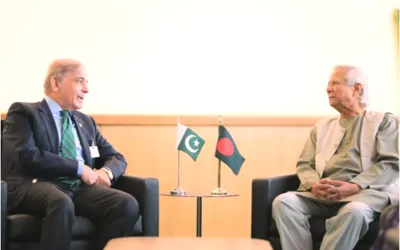
The forum brought together international leaders, policymakers and social business advocates, including UN General Assembly President Dr. Khalilur Rahman, Timor-Leste President José Ramos-Horta, Bhutan Prime Minister Tshering Tobgay, Brazilian Minister Wellington Dias and Nobel Peace Laureate Muhammad Yunus.
The event focused heavily on young people and the role of technology in tackling poverty and unemployment. Saqib called on young innovators in developing countries to build new solutions rather than wait for others to create them.