MIAMI: The U.S. investigation into the 2021 assassination of Haitian President Jovenel Moïse entered a new phase Sunday, with 18 defendants transferred from Haiti to Florida to face federal charges in a case that has produced 30 indictments.
The defendants were flown to South Florida aboard a U.S. military aircraft, according to U.S. authorities. U.S. Attorney Jason A. Reding Quiñones said the transfer marked another step in the effort to hold those allegedly involved in the assassination accountable.
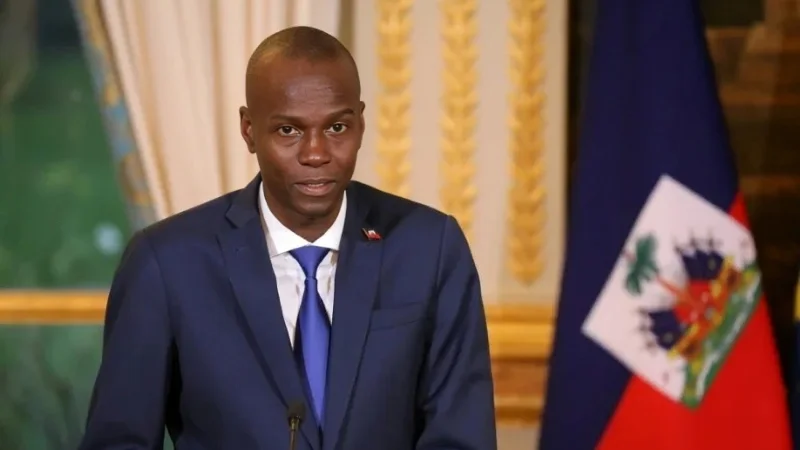
Moïse, 53, was killed July 7, 2021, when armed attackers entered his private residence near Port-au-Prince. His wife, Martine Moïse, was also wounded in the attack.
The case centers on an alleged plot that U.S. prosecutors say was planned and supported partly from South Florida. According to evidence presented in federal court, the conspirators sought to remove Moïse and gain access to lucrative government contracts in Haiti. The operation involved recruits from the United States, Colombia and Haiti, including former Colombian soldiers.
Among those transferred Sunday was Joseph Felix Badio, a former anti-corruption official at Haiti's Ministry of Justice, along with 17 Colombian nationals, according to Haitian and U.S. officials.
The transfer follows the May convictions of four defendants in a Miami federal court. Arcangel Pretel Ortiz, Antonio Intriago, Walter Veintemilla and James Solages were found guilty of charges related to the conspiracy, including providing material support for the plot and conspiring to kill or kidnap a person outside the United States. Each faces a possible life sentence.
Eight other defendants have pleaded guilty in the U.S. case, according to the Justice Department. Prosecutors say the investigation remains active as authorities pursue additional people allegedly involved in financing, facilitating or carrying out the assassination.
The U.S. proceedings have advanced while Haiti's judicial process has struggled to move forward. Moïse's assassination deepened a political and security crisis that has since been compounded by widespread gang violence.
Haiti is now preparing for presidential and legislative elections, as well as a constitutional referendum, scheduled for Dec. 13 if security conditions permit. Armed gangs continue to control large parts of the capital, Port-au-Prince, while international efforts to strengthen Haitian security forces remain ongoing.