The UK and United States have agreed a deal that will keep tariffs on British pharmaceutical exports to America at zero, in return for higher UK spending on medicines through the NHS.
Under the agreement, announced on Monday as part of the UK-US Economic Prosperity Deal, the UK becomes the only country in the world to secure a guaranteed zero tariff on pharmaceuticals entering the US.
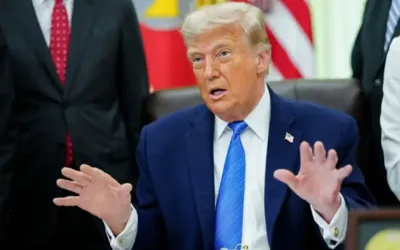
The commitment will last for three years and protects one of Britain’s most valuable export sectors after months of uncertainty following threats from President Donald Trump to impose tariffs of up to 100% on branded drugs.
Business and Trade Secretary Peter Kyle said the deal “guarantees that UK pharmaceutical exports – worth at least £5bn a year – will enter the US tariff-free, protecting jobs, boosting investment and paving the way for the UK to become a global hub for life sciences.”
According to the Department for Business and Trade, the UK exported £11.1bn worth of medicines to the US in the 12 months to September, accounting for 17.4% of all UK goods exports.
Higher NHS Drug Spending:
In exchange, the UK has agreed to significant changes to its drug-pricing rules. For the first time in more than 20 years, NHS spending on medicines is set to rise. The government will increase by 25% the cost-effectiveness threshold used to determine whether new treatments should be approved.
Overall NHS medicines spending will be targeted to rise from 0.3% of GDP to 0.6% over the next decade. Meanwhile, the cap on the proportion drug companies must pay back to the NHS—used to prevent the medicines budget from being exceeded—will be reduced to 15%, down from more than 20% last year.
Ministers say the changes will allow the National Institute for Health and Care Excellence (NICE) to approve more innovative and high-impact drugs, including for cancer, rare diseases and long-standing hard-to-treat conditions.
Industry Investment and Patient Access:
The government said tens of thousands of NHS patients will benefit from improved access to new treatments, while the reforms aim to bolster the UK’s reputation as a leading destination for life sciences investment. Firms including Moderna, Bristol Myers Squibb and BioNTech have recently announced major UK investments.
The UK has also secured exemptions under the US “Most Favoured Nation” drug-pricing initiative, meaning pharmaceutical companies will continue to prioritise the UK for early launches of new medicines.
British patients have previously been among the first in the world to access innovative drugs such as Blenrep for multiple myeloma, Kimmtrak for eye cancer and Aucatzyl for personalised leukaemia treatment. Ministers say the new pricing framework could make such early access more common.
US Welcomes Agreement: White House spokesman Kush Desai described the deal as a “historic step” towards ensuring that other developed countries “pay their fair share” on medicines—an issue President Trump has repeatedly raised, arguing that American consumers shoulder disproportionately high costs.
The agreement also brings to a close a long-running dispute in the UK over drug approvals and NHS costs, intensified by US pressure over pharmaceutical trade.
The government argues that increasing investment in medicines now will help keep people healthier for longer, ultimately reducing the strain on the NHS in the years ahead.