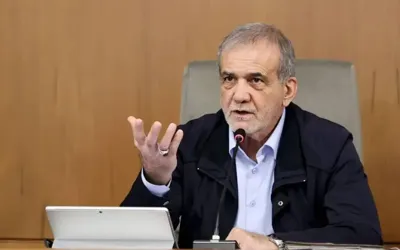
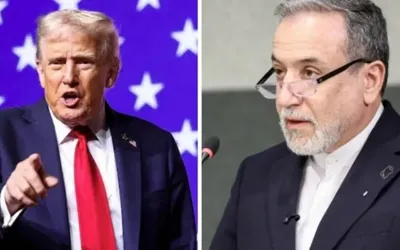
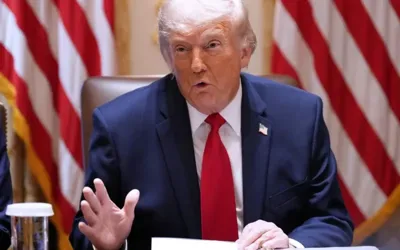
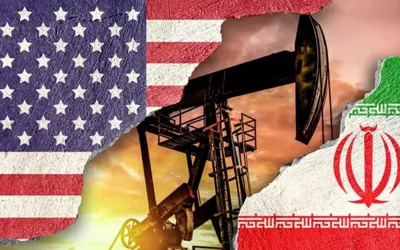
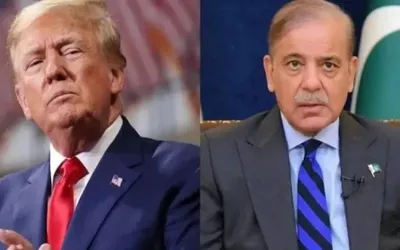
NEW YORK: US President Donald Trump said Sunday he is open to meeting Iranian President Masoud Pezeshkian in New York during the United Nations General Assembly this week, as Washington considers its next move in the nearly seven-month conflict and Tehran seeks conditions for renewed negotiations.
Trump told Fox News correspondent Trey Yingst that he was in “deciding mode” on Iran and that “very big things” could happen soon. Asked about meeting Pezeshkian, Trump said he would “probably be open” to it.
Trump said his options included further military action, continued economic pressure or reaching a deal with Tehran.
“My question is, if and when do I blow the entire nation up? They better behave,” Trump said.
Iran sets conditions for negotiations
Iranian Supreme National Security Council Secretary Mohsen Rezaei said Tehran had conveyed seven conditions to Washington through mediators for reopening negotiations.
The demands include an end to the war on all fronts, the release of frozen Iranian assets and an end to the US naval blockade. Qatar has played a role in transmitting messages between the two sides, with Turkey and other countries also involved in diplomatic efforts.
Iranian Parliament Speaker Mohammad Bagher Ghalibaf separately said Tehran would not reopen the Strait of Hormuz until its conditions were met and US commitments were implemented.
UN gathering offers diplomatic opening
The UN General Assembly provides an opportunity for Trump and Pezeshkian to meet as both are expected in New York for the high-level gathering.
The Trump administration has approved visas for Pezeshkian and Iranian Foreign Minister Abbas Araghchi to attend the meetings.
The two countries have largely communicated through intermediaries during the conflict, making any direct contact between their presidents potentially significant. However, no meeting has been formally confirmed, and Trump's comments do not indicate that an agreement has been reached.
Tensions remain high
Iranian military officials have warned that any renewed US attack could prompt retaliation against American bases and interests across the region.
Washington has also warned Americans about escalating regional tensions, possible disruptions and threats to US interests and locations associated with Americans.
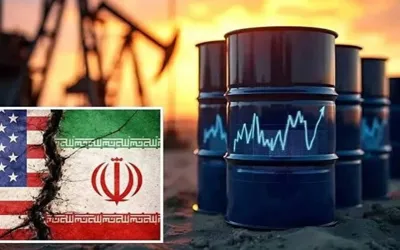
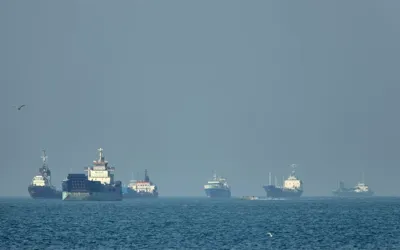
The Strait of Hormuz remains a major point of contention because of its importance to global energy shipments. US military officials said oil, gas and cargo shipments through the waterway had recently reached their highest levels in six months despite the conflict.
Gulf states monitor developments
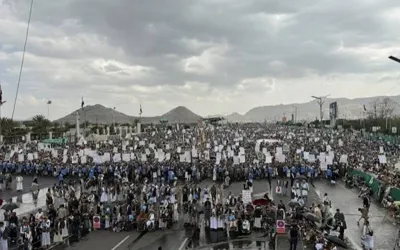
The conflict has also heightened tensions across the wider Middle East, including attacks by Yemen's Iran-backed Houthi movement targeting Saudi Arabia.
Trump is expected to meet leaders from Saudi Arabia, the United Arab Emirates, Qatar, Bahrain, Kuwait and Oman in New York to discuss the conflict and its regional impact.
With Washington weighing its next steps and Tehran maintaining conditions for negotiations, the UN gathering could provide an opportunity for diplomacy even as military tensions continue.