Iran has reportedly said it will not send its nearly weapons-grade uranium to another country. This decision could increase tensions with the U.S. and make it even harder to reach a diplomatic solution to the ongoing conflict between the U.S., Israel, and Iran.
According to Reuters, Supreme Leader Ayatollah Mojtaba Ali Khamenei has instructed that the country’s stockpile of highly enriched uranium must remain inside Iran, signaling a clear shift toward a tougher negotiating posture on one of the most contentious issues in ongoing peace discussions.
The reported directive presents a fresh challenge for US President Donald Trump, who has repeatedly stressed that any future agreement with Tehran must include strict guarantees preventing Iran from retaining enriched nuclear material.
Speaking to reporters at the White House, Trump underscored Washington’s position, insisting that the United States would not allow Iran to maintain control of uranium enriched to levels considered dangerously close to weapons-grade material. He indicated that Washington intends to secure the stockpile and ensure it can no longer be used in a manner that threatens regional stability.
The issue of enriched uranium has remained central to diplomatic discussions, with Israeli officials reportedly seeking firm assurances from Washington that Tehran’s uranium reserves would be removed as part of any potential settlement.
Israeli Prime Minister Benjamin Netanyahu has repeatedly stated that military tensions cannot truly end unless Iran dismantles key aspects of its nuclear and missile capabilities and curbs support for allied armed groups in the region.
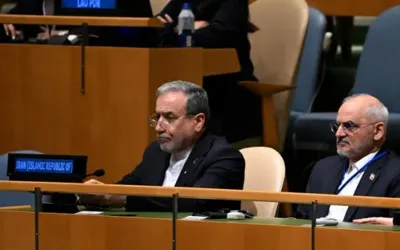
Iranian officials, however, view the matter through a different lens. Sources familiar with internal discussions said Tehran believes sending enriched uranium abroad would weaken its strategic position and leave the country increasingly vulnerable to future military pressure or attacks.
For years, Western governments particularly the United States and Israel have accused Iran of moving closer to nuclear weapons capability, pointing to Tehran’s uranium enrichment at 60%, a level significantly beyond civilian requirements and much nearer to weapons-grade enrichment. Iran has consistently rejected these allegations, maintaining that its nuclear programme is intended solely for peaceful and civilian purposes.
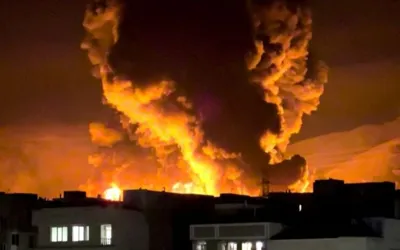
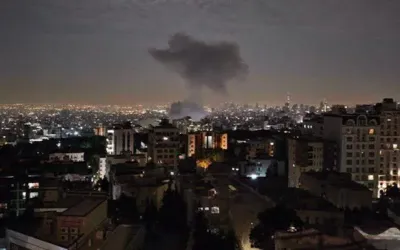
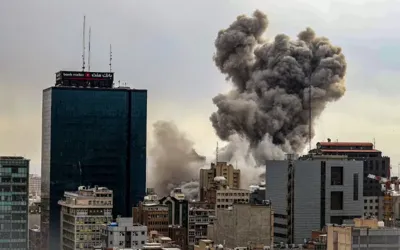
The renewed disagreement unfolds against the backdrop of a delicate ceasefire following months of military escalation. Diplomatic momentum has remained slow, with negotiations facing persistent obstacles linked to Iran’s nuclear programme, sanctions relief, and broader regional security demands.
Iranian leadership has also reportedly grown increasingly sceptical of Washington’s intentions, fearing that the temporary reduction in hostilities could be tactical rather than permanent. Senior Iranian figures have warned that visible and behind-the-scenes developments suggest the possibility of renewed military action cannot be ruled out.
Although negotiators are said to have narrowed differences on some issues, major sticking points remain unresolved particularly over the future of Iran’s enriched uranium reserves and Tehran’s insistence on preserving its right to continue uranium enrichment.
Before regional tensions sharply escalated, Iran had reportedly shown limited openness to relocating part of its uranium stockpile. However, repeated military warnings from Washington appear to have hardened Tehran’s calculations.
Despite the standoff, diplomatic channels remain active, and Iranian officials have floated alternative proposals, including placing uranium management under international monitoring through the International Atomic Energy Agency (IAEA), in an effort to avoid a complete breakdown in negotiations.