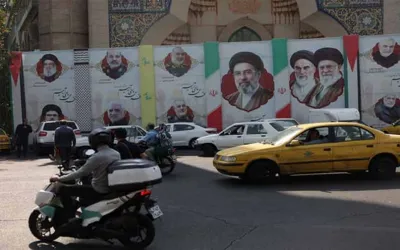
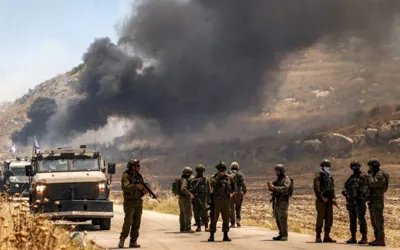
BEIRUT / DUBAI / WASHINGTON: The Israel–Iran conflict sharply escalated on Monday as Israel launched airstrikes on military targets in western and central Iran, while multiple Iranian cities reported explosions, marking one of the most intense phases of the ongoing regional war.
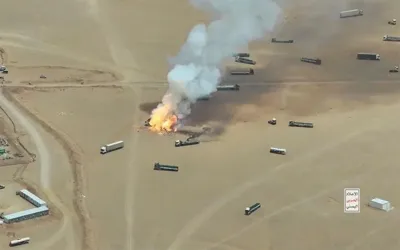
The Israeli military said its air force struck sites linked to the “Iranian regime’s military infrastructure.” Following the strikes, Iranian state media reported explosions in Tehran, Tabriz, and Isfahan, while Tasnim News Agency confirmed blasts near Karaj. Iran’s IRNA news agency also reported at least three explosions in Isfahan.
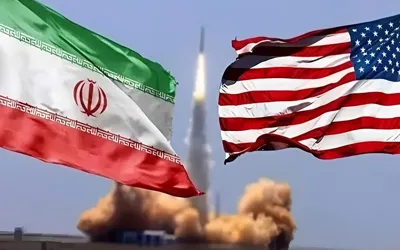
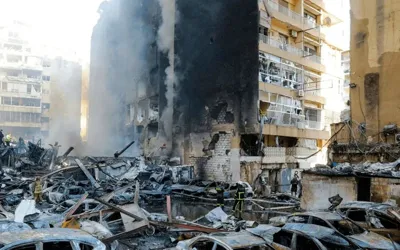
The strikes came hours after Iran fired multiple missile barrages toward northern Israel in retaliation for earlier Israeli attacks on Beirut’s southern suburbs, further widening the conflict across multiple fronts.
The escalation comes amid a fragile ceasefire environment that has repeatedly broken down since early April, with the conflict now entering its 100th day.
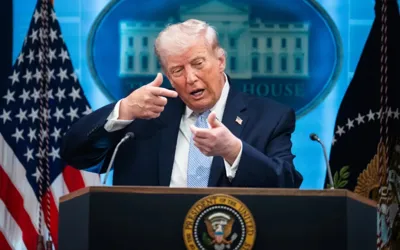
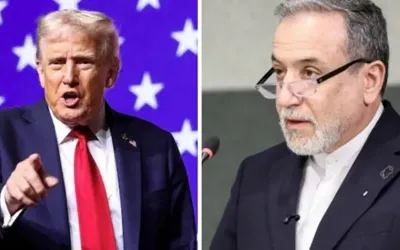
U.S. President Donald Trump reportedly intervened in an effort to prevent further escalation, urging Israeli Prime Minister Benjamin Netanyahu not to carry out additional strikes. According to Axios, Trump stressed that both sides had already exchanged attacks and further retaliation was unnecessary.
Trump also stated that ongoing military actions would not derail diplomatic efforts with Tehran, insisting that negotiations for a broader settlement remain active. He further emphasized his authority over the peace process, saying Netanyahu “doesn’t call the shots.”
Despite these remarks, Israel proceeded with additional strikes on Iranian military targets following the latest round of attacks.
The conflict has increasingly expanded beyond Iran and Israel, with renewed Israeli strikes on Beirut’s southern districts targeting areas linked to Hezbollah. In response, Iran-backed groups have intensified missile activity toward Israel, raising concerns of a wider regional war.
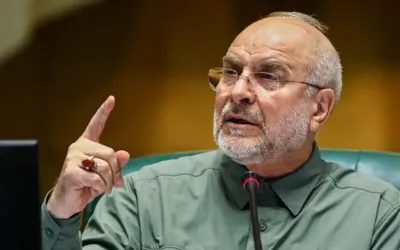
Iranian officials have warned that U.S. bases and Israeli assets could be considered legitimate targets if attacks continue. Israel, meanwhile, has vowed to respond forcefully to any strike on its territory, further heightening tensions.
The renewed fighting has already impacted global financial markets, with oil prices rising more than 3% amid fears of disruption to energy supplies. Concerns are growing over the Strait of Hormuz, a critical global shipping route for oil and gas exports.
Analysts warn that prolonged instability could further strain global energy markets and deepen economic uncertainty.
Despite ongoing backchannel communication between Washington and Tehran, diplomatic progress remains limited. Both sides continue to accuse each other of violating agreements while maintaining military pressure across multiple fronts.
With no breakthrough in sight, the conflict continues to expand geographically and politically, drawing in regional actors and increasing pressure on global powers to prevent further escalation.