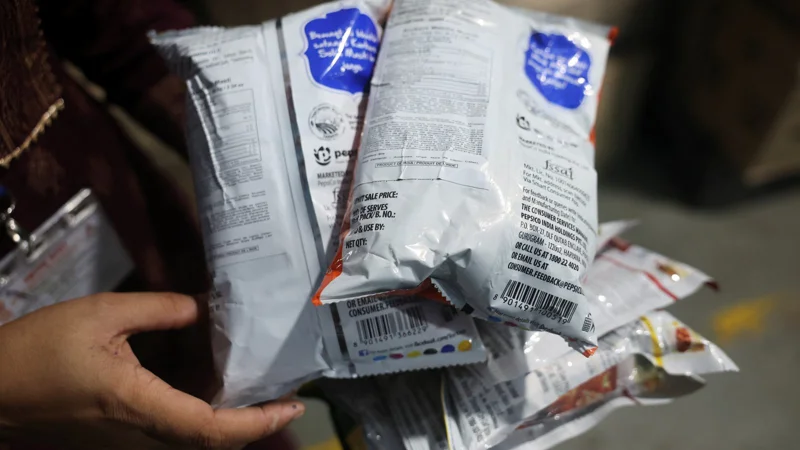
OTTAWA: The Canadian Food Inspection Agency said Thursday it is monitoring an illegal operation in India that allegedly relabelled snack foods and other products with false nutritional information and expired dates, though no evidence has emerged that the goods reached Canada, according to reports.
Indian authorities raided a warehouse in Mumbai last week, seizing products valued at nearly $80,000, along with chemicals and printing equipment used to alter date markings and nutrition labels on items made by PepsiCo, Nestle, Coca-Cola and Unilever. Officials said the operation was intended to make expired or near-expiry products appear suitable for export.
“The CFIA is monitoring the situation to determine whether it presents any risk to imports into Canada,” the agency said in a statement to Reuters. “At this time, the CFIA has no information indicating that products associated with this operation entered Canada.”
The agency added that it takes food fraud seriously, including false date markings, inaccurate nutrition information and misleading origin claims. It is the first foreign regulatory body to publicly respond to the case.
During the raid, a Reuters photographer observed a packet of Kurkure puffed chips, a brand owned by PepsiCo’s Indian unit,bearing a fake label with nutritional information in both English and French, a format required under Canadian food labelling rules.
Maharashtra FDA Commissioner Tukaram Mundhe, who led the operation, said his office has forwarded findings to federal authorities to investigate the exporters involved. The warehouse was reportedly acting on behalf of 19 little-known export firms, though it remains unclear which countries were the intended destinations.
India’s commerce ministry, which oversees exports, did not immediately respond to a request for comment.
The CFIA said that when non-compliant foods are identified, it takes appropriate enforcement action, which may include product removal, suspension of licences and monetary penalties.