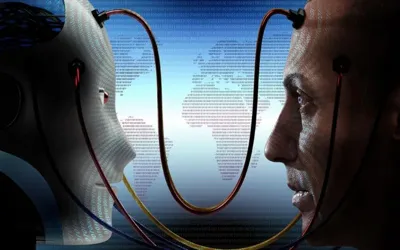
Artificial Intelligence (AI) is rapidly transforming the healthcare industry. From diagnosing diseases to managing patient care, AI is helping doctors and hospitals work faster and more accurately. While AI offers many benefits, it also comes with risks and challenges that must be carefully managed. Understanding both sides is important as healthcare moves toward a more digital future.
What Is AI in Healthcare?
AI in healthcare refers to computer systems that can analyze medical data, learn from it, and make decisions or suggestions. These systems use technologies like machine learning, deep learning, and natural language processing. AI can study X-rays, CT scans, lab reports, and patient records to support doctors in diagnosis and treatment.
Benefits of AI in Healthcare
One of the biggest advantages of AI is early and accurate diagnosis. AI systems can detect diseases such as cancer, heart problems, and brain disorders at an early stage by analyzing medical images and test results. This helps doctors begin treatment sooner, which can save lives.
AI also improves efficiency in hospitals. It can automate tasks like scheduling appointments, managing medical records, and monitoring patients. This reduces the workload on doctors and nurses, allowing them to focus more on patient care.
Another major benefit is personalized treatment. AI can study a patient’s medical history, lifestyle, and genetics to suggest treatment plans tailored to individual needs. This leads to better outcomes and fewer side effects.
Read more: Benefits of Regular Exercise
Risks of Using AI in Healthcare
Despite its benefits, AI in healthcare carries certain risks. One major concern is data privacy. AI systems rely on large amounts of patient data, and if this data is not properly protected, it can be misused or stolen.
There is also a risk of errors. AI systems are only as good as the data they are trained on. If the data is incomplete or biased, AI may produce incorrect results, which could affect patient safety.
Another risk is overdependence on technology. Doctors may rely too much on AI recommendations, reducing human judgment and experience in critical medical decisions.
Challenges Facing AI in Healthcare
One of the biggest challenges is integration. Many hospitals still use outdated systems, making it difficult to adopt advanced AI tools. High costs also limit AI use, especially in developing countries.
Regulation is another challenge. Governments and health authorities are still developing laws to control how AI is used in medicine. Clear guidelines are needed to ensure patient safety and accountability.
Training healthcare staff to use AI effectively is also essential. Without proper training, even the best AI systems may fail to deliver accurate results.
Read more: Natural ways to boost immunity
Conclusion
AI has the potential to revolutionize healthcare by improving diagnosis, treatment, and patient care. However, its risks and challenges cannot be ignored. With strong data protection, proper regulations, and human oversight, AI can become a powerful tool that supports doctors and benefits patients worldwide.