KARACHI: A judicial commission investigating the death of Mir Raza Ali has recommended forming a joint investigation team (JIT) to reinvestigate the case, citing serious flaws in the police probe, inadequate supervision and professional negligence.
The inquiry report, submitted to Sindh Chief Minister Murad Ali Shah on October 15, also recommended investigating the possibility of evidence concealment during the initial stages of the investigation.
The commission questioned the police’s initial position that Mir Raza had died by suicide, noting discrepancies between that claim and the medico-legal evidence. According to the report, the final postmortem examination identified a gunshot wound entering from the back as the cause of death.
The report also noted that a second postmortem conducted by Dr. Osama Sheikh differed from the findings of the first examination. It said releasing preliminary conclusions to the media before completing the investigation fell short of professional standards.
Questions Raised Over Medical and Police Conduct
The commission examined Dr. Osama Sheikh’s role in the case, including his attendance at a meeting at the Chief Minister’s House on Aug. 9 at the request of the additional inspector general of Karachi.
Although speculation emerged that Dr. Osama had been pressured during the meeting, the report said no evidence had been found to support the allegation.
The commission said the chief minister was entitled to receive briefings from senior police officers on an important case. However, it added that the police surgeon should also have been invited in the interest of transparency.
The report criticised Dr. Osama’s conduct as immature and excessively self-confident, saying it was inconsistent with the standards expected of a medical professional. It recommended at least two years of rigorous academic and practical training before assigning medico-legal responsibilities.
It also called for a comprehensive investigation into concerns that Dr. Osama may have been influenced by another person.
Serious Lapses in Handling Digital Evidence
The commission identified significant shortcomings in the collection, preservation and handling of digital evidence.
According to the report, police recorded CCTV footage from several locations using mobile phones instead of obtaining recordings directly from the original digital video recorders (DVRs).
The report also highlighted incomplete records documenting the receipt and transfer of digital evidence and raised questions about the custody and forensic examination of Mir Raza’s mobile phone.
Negligence in preserving his Apple Watch also hindered data recovery, the commission said. It further pointed to the alleged leaking of digital evidence to the media.
The commission recommended investigating possible blackmail or a revenge killing as potential motives. It also called for further inquiries into suspicious vehicles and individuals present at a guesthouse.
Proposed JIT to Include Intelligence and Security Agencies
The commission recommended forming a JIT led by DIG Irfan Baloch to conduct a fresh investigation.
The proposed team would include representatives of the Inter-Services Intelligence (ISI), Intelligence Bureau (IB), Pakistan Rangers Sindh and the cybercrime agency.
It also recommended establishing a high-level committee led by the Federal Investigation Agency (FIA) to investigate possible misconduct by police personnel.
The report called for departmental and criminal proceedings against officers found responsible for negligence.
It criticised the leadership and supervision of DIGs Aamir Farooqi and Farrukh Lanjhar. It recommended a comprehensive inquiry and interim suspension of SHO Adeel Afzal, departmental action and interim suspension of SI Shabbir Laghari, and departmental proceedings against SHO Kamran Qureshi, along with his removal from the post.
However, the commission found no concrete evidence of direct negligence by AIG Azad Khan, saying he had been let down by members of his investigation team.
Commission Calls for Police Reforms
The report recommended reforms to the police investigation system, improved forensic facilities and better training for officers.
It stressed that a rigorous and transparent investigation was essential because the handling of evidence had been compromised.
Jibran Nasir Says Family’s Concerns Vindicated
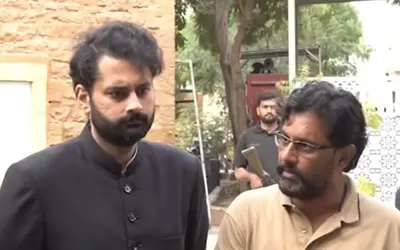
Speaking to Geo News, Jibran Nasir, the lawyer representing Mir Raza’s family, said the commission’s findings had validated the family’s concerns.
He said the recommendation to form a JIT was consistent with the family’s position and that the record indicated substantial evidence had been lost or compromised.
Nasir added that the commission had recommended an inquiry into the officers who handled the investigation during its first 10 days, including Dr. Osama Sheikh.
He said the report also acknowledged that public confidence in the police had declined, including among Mir Raza’s family members.