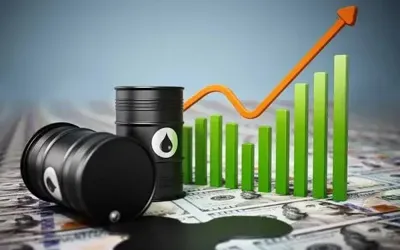
Over the past month, the government of Pakistan has implemented three increases in the prices of petroleum products, sparking concern and debate among consumers and analysts alike. Despite the government asserting that the economy remains stable, these successive price hikes have raised eyebrows about underlying economic policies and market dynamics.
Petrol and Diesel Prices Surge:
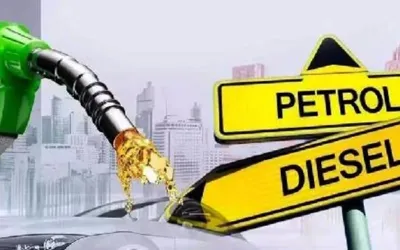
Currently, the price of petrol stands at 272.15 PKR per liter, reflecting an increase of 18.52 PKR since the last adjustment. Similarly, diesel prices have risen by 29.17 PKR, reaching 284.35 PKR per liter. These increases are notable given that, prior to tax and levy considerations, the base prices of petrol and diesel are approximately 167.51 PKR and 177.8 PKR per liter, respectively.
Global Oil Prices and Local Market Dynamics:
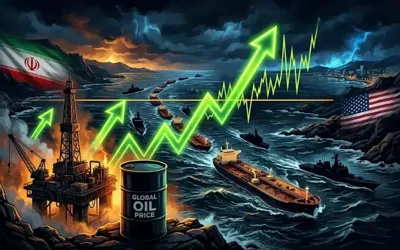
The global crude oil market experienced a slight uptick due to the Iran-Israel conflict, with prices rising temporarily. However, following the ceasefire announced on June 24, global crude prices have declined to around 68 USD per barrel. Despite this stabilization, Pakistan’s fuel prices continue to rise domestically.
Why Prices Rising Despite Stable Global Oil?
The discrepancy lies in the structure of Pakistan’s fuel pricing. While global crude prices have stabilized, local factors—such as currency exchange rate adjustments, transportation costs, and government levies—continue to inflate retail prices. The government has added 7 PKR per liter for currency adjustments on diesel and 1.22 PKR for petrol. Additionally, mandatory inland freight margins and uniformity taxes contribute to the overall cost.
Government Levies and Market Compensation Mechanisms:
Energy experts note that fluctuations in global crude prices often lead refineries and oil marketing companies to seek compensation from the government to offset their costs. Currently, the government provides financial compensation through payments, especially since there is no sales tax on petrol.
The government also imposes significant levies: a petroleum development levy of 75.52 PKR per liter and a carbon tax of 2.5 PKR per liter on petrol; for diesel, the levy is 74.51 PKR with the same carbon tax. Profit margins for oil marketing companies and dealers further add to the cost, earning approximately 8.64 PKR per liter on petrol and 7.87 PKR per liter on diesel.
Conclusion:
While global crude oil prices have stabilized, a combination of government levies, exchange rate adjustments, profit margins, and logistical costs continue to drive up fuel prices in Pakistan. This has prompted questions about the sustainability of current policies and the transparency of the pricing mechanism, especially as the government maintains that the economy remains resilient amid these fluctuations.