OPEC+ kept its oil production targets unchanged for November on Sunday, saying further output policy adjustments are unlikely until next year.
Seven core members of the group — Saudi Arabia, Russia, Iraq, Kuwait, Algeria, Kazakhstan and Oman — made the decision during a brief online meeting. The full OPEC+ alliance includes the Organization of the Petroleum Exporting Countries and allies such as Russia.
Gulf OPEC+ producers have been pumping well below their output targets amid continuing export disruptions from the U.S.-Israeli war on Iran, with exports fluctuating between 60% and 80% of normal levels in recent months.
“The OPEC+ group of seven kept their production ceilings unchanged, in line with market expectations. That said, despite rising flows through the Strait of Hormuz, their output levels remain well below quota,” UBS analyst Giovanni Staunovo said. “Consequently, the oil market remains tight.”
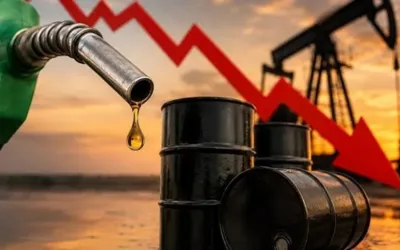
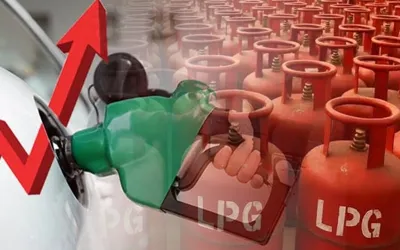
Oil prices fell Friday after European leaders agreed to U.S. President Donald Trump’s request to release diesel reserves. Crude prices settled lower after the Group of Seven nations announced the release of diesel and crude stocks to ease surging fuel prices.
International benchmark Brent crude futures slipped 6 cents to close at $102.25 per barrel, while U.S. West Texas Intermediate crude slid $1.76 to $91.11 a barrel.
The G7 will release 100 million barrels of reserves over the next four months, “with a frontloaded substantial diesel release within the first 20 days,” the group’s leaders said in a joint statement. The G7 includes France, Canada, Germany, Italy, Japan, the United Kingdom and the U.S.
Despite the G7 announcement, Brent crude remains above $100 a barrel, up from about $73 before the Iran war started in late February.
The Iran war has also delayed the group’s output capacity review — crucial to determining members’ 2027 output quotas — because it has thrown estimates of future production potential into uncertainty, industry sources told Reuters last week.
OPEC+ has been raising output targets for much of 2026 after years of production cuts, but most of the increases stayed on paper because of the Middle East conflict.
The seven core OPEC+ members pumped 25 million barrels per day in August, up 630,000 bpd from July, yet still roughly 5 million bpd below prewar levels in February, OPEC data shows.
The seven will meet next on Nov. 1.
OPEC+ still has about 2 million bpd of output cuts in place covering most members. It needs the result of the capacity review to decide how to distribute increases, and any changes to output are unlikely before 2027, sources have said.
A separate OPEC+ ministerial group, the Joint Ministerial Monitoring Committee, which does not set policy, also met Sunday to review the market.