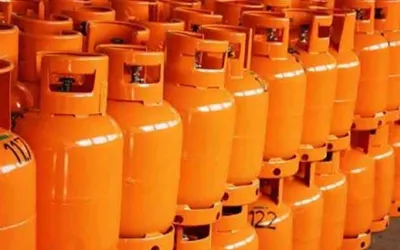
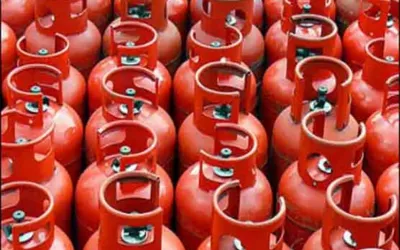
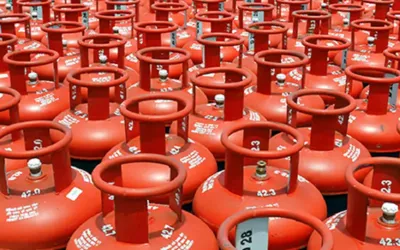
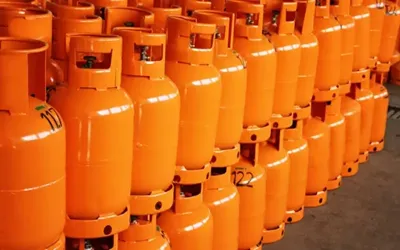
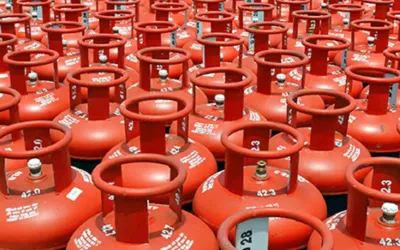
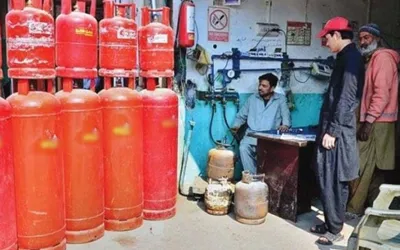
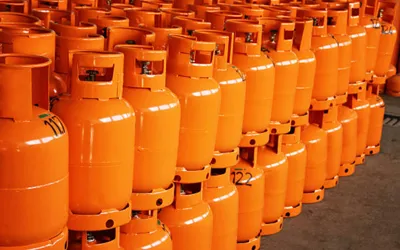
KARACHI: A liquefied petroleum gas (LPG) crisis intensified across Pakistan, with prices in Karachi climbing above Rs500 per kilogram, according to distributors.
The price rose by Rs80 per kilogram in the past 24 hours, and LPG is being sold at up to Rs540 per kilogram in the city.
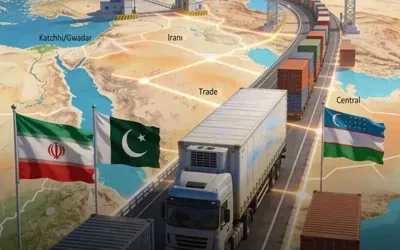
The shortage follows Pakistan's decision to halt trade with Iran at the Taftan and Gabd-Rimdan crossings in Balochistan province. The Ministry of Commerce issued a memorandum on Friday withdrawing, with immediate effect, an Oct. 3 order that had allowed trade through the two crossings. A Balochistan government official said the closure was meant to address security concerns and curb smuggling.
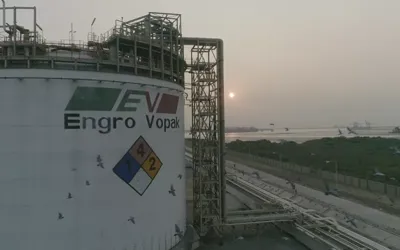
The Gabd-Rimdan crossing is a major energy route. Reports say more than 4,000 tons of LPG were imported daily through it. About 80 percent of Pakistan's imported LPG arrives through border trade, distributors said. They warned that the suspension puts at risk daily supplies of 4,500 to 5,000 tons, out of national consumption of about 7,000 tons a day.
Distributors said prices could rise by another Rs150 to Rs200 per kilogram within two to three days if supplies from Iran stay suspended. They said the shortage would benefit hoarders and black market sellers.
The federal petroleum minister has said the price should be Rs425 per kilogram. Distributors called on the government to enforce that rate.
About 2,000 trucks have been stranded by the closure, according to the Quetta Chamber of Commerce and Industry. Officials from both countries are continuing talks to resolve administrative issues. One official said the border was likely to reopen soon, though no date has been announced.
The closure comes despite recent efforts to expand trade. In August, Pakistani and Iranian officials agreed to raise bilateral trade to $10 billion and keep border crossings open around the clock. Pakistan has also been mediating between Washington and Tehran since the U.S.-Israeli war on Iran began Feb. 28.
LPG is used across Karachi, mainly by households, small food businesses and transporters. Reports describe how each group has been hit by earlier price rises. The calculations below use the R540 figure from your story.
Households
LPG has long been seen as a cheaper cooking and heating fuel, especially for low-income households cut off from the gas grid. Natural gas supply to homes is also unreliable in major cities, so many families depend on cylinders. At R540 per kg, a standard 11.8 kg cylinder would cost about R6,370. At the R425 the minister says is the right price, it would cost about R5,015. Low-income households feel this most, because they can’t easily switch fuels or stockpile gas.
Food shops, tea cafes and restaurants
Restaurants and bistros are among the heaviest LPG users, and they have little room to pass costs on. Dozens of tea cafes in Gulistan-e-Johar, North Karachi and Federal B Area have already gone back to coal because of expensive LPG and fierce competition. One Gulshan-e-Iqbal owner said a 40 kg cylinder that lasts about five days cost R14,000, against roughly R5,000 for the same amount of coal. That R14,000 was about R350 per kg. At R540, the same cylinder would cost about R21,600. Smaller shops may raise menu prices, cut portions, or switch to coal and wood, which means more smoke and worse air.
Transporters, especially rickshaw drivers
Rickshaw drivers rely heavily on LPG to keep fares competitive, and in an earlier price spike they said their margins were already very thin. An LPG agency worker said an average rickshaw uses 4 to 5 kg a day. At R540, that is roughly R2,160 to R2,700 daily. The R80 jump alone adds R320 to R400 a day to their costs. Reports on earlier hikes expected fares to rise, which passes the burden on to commuters. Buses and minibuses that run on LPG face the same pressure.
The effects spread beyond direct users. Higher costs for roadside eateries, bakeries and transport tend to show up in the price of meals, rotis and fares. A shortage also hurts consumers because, as distributors warn, it favors hoarders and black market sellers. Residents have already complained about the gap between official and retail prices and called for stronger monitoring.